Water Damage Restoration in Gilbert, AZ
A burst pipe, a failed water heater or a monsoon downpour can soak a home fast. The crew here pulls out standing water, dries the structure and records the damage for the insurance claim.
(888) 949-8496Call about the water nowThe crew works across Gilbert, a town in Maricopa County in the southeastern Phoenix metro area, from the Heritage District outward.
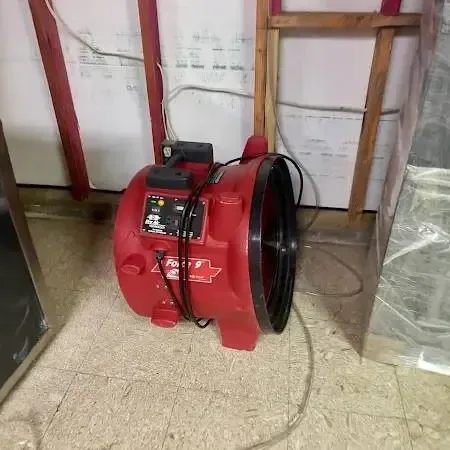
Thirteen kinds of water loss, one crew
Every job starts by finding the water source, because a supply pipe, a roof leak and a sewage backup each need a different first move. Choose the situation closest to the one at hand.
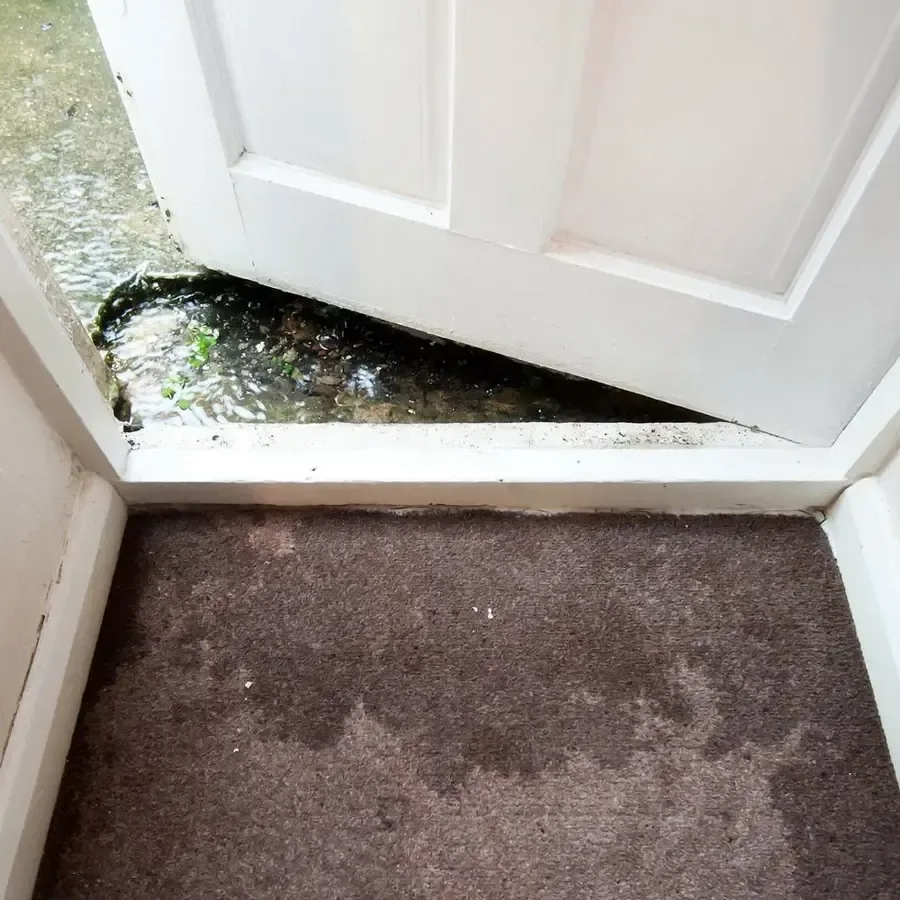 01Monsoon Storm Water DamageMonsoon rain that slips under doors or past roof edges is pumped out, then wet walls and floors are dried.View service
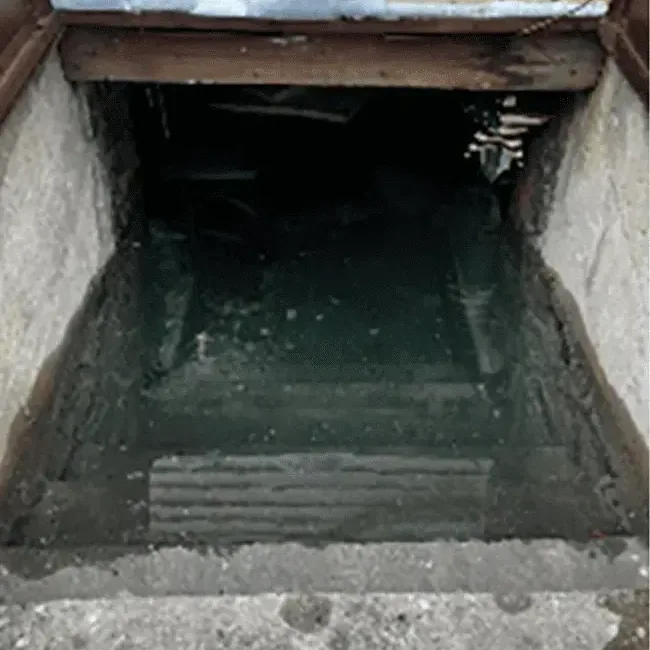 02Flash Flood CleanupRunoff that enters a garage or entry is pumped out, and the rooms it touched are cleaned and dried.View service
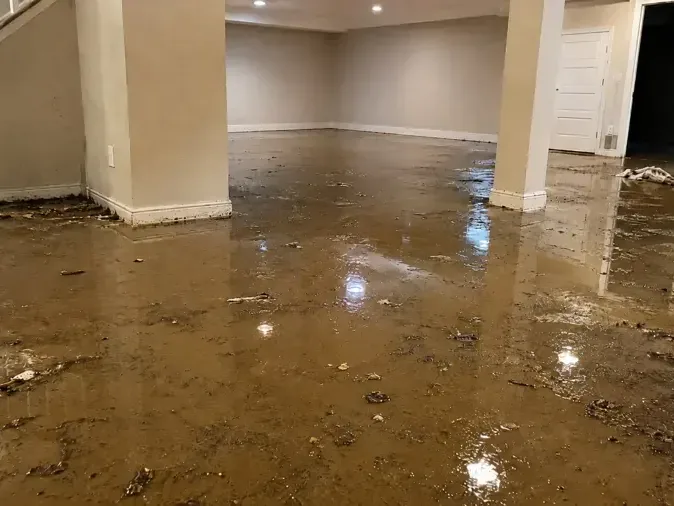
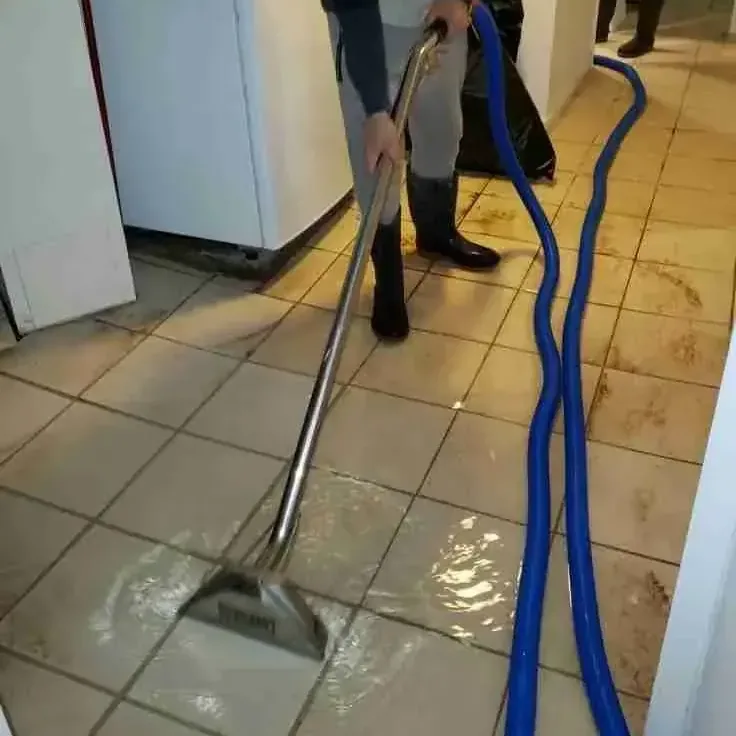 03Water Extraction and RemovalStanding water comes off floors with pumps and extraction wands before it soaks into the walls.View service
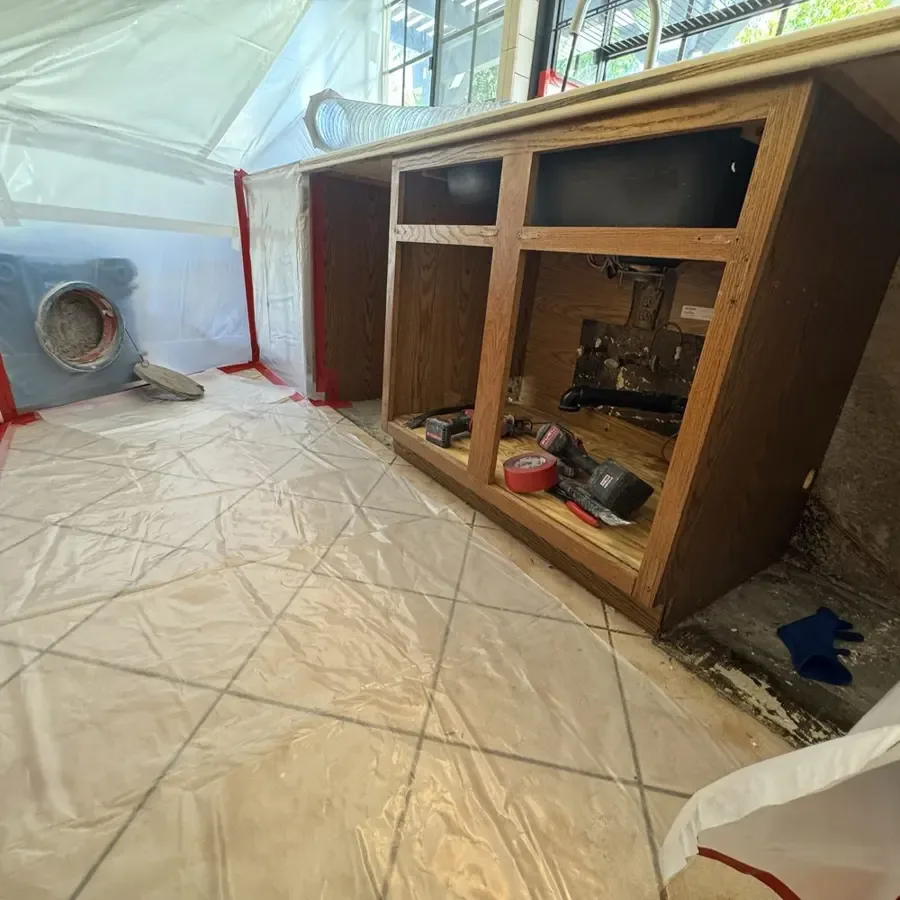 04Slab Leak Water DamageA pipe leaking under the concrete floor is traced with moisture checks, and the wet flooring is dried out.View service
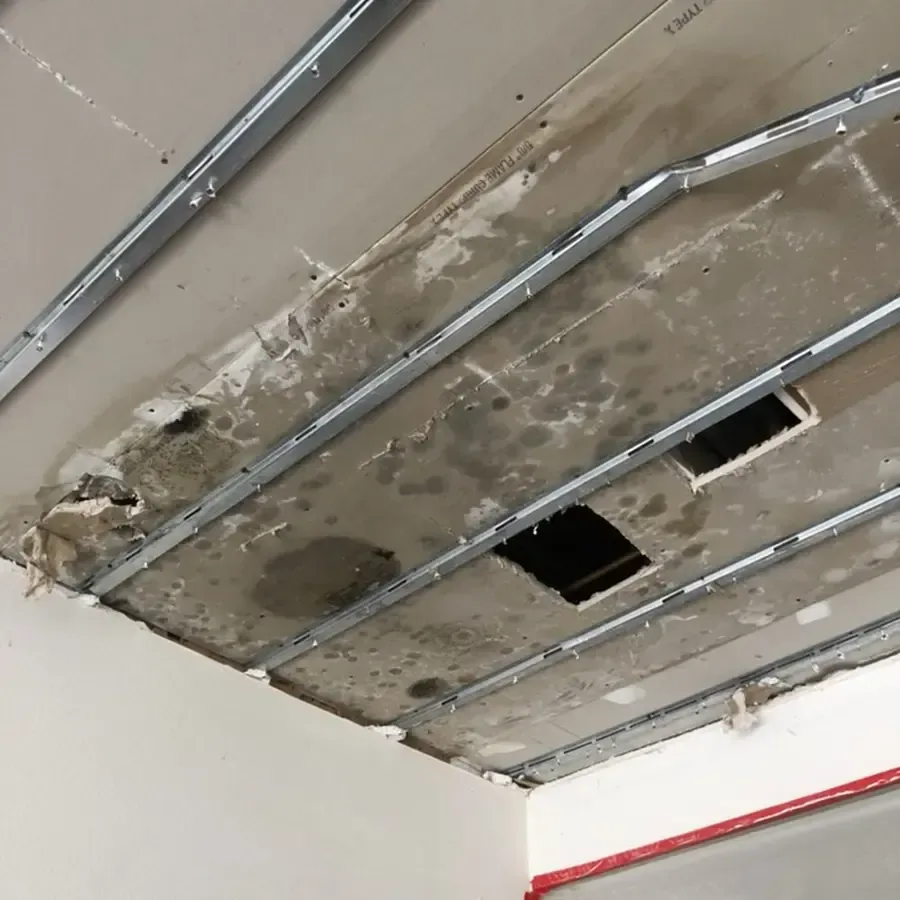 05Roof Leak Water DamageRain that gets past the roof leaves wet insulation and ceilings, which are opened up and dried.View service
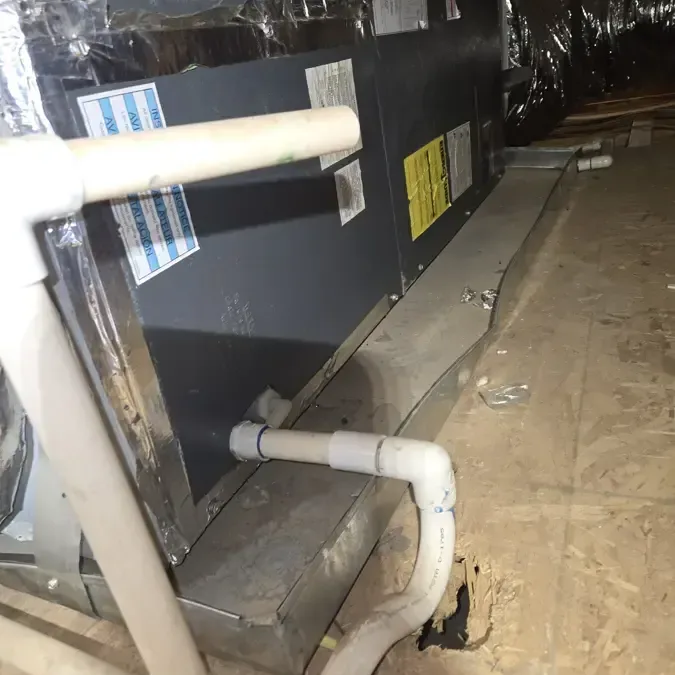 06AC Condensate and Cooler LeaksA clogged condensate drain or a full pan can drip into ceilings and walls, and the wet spots are dried.View service
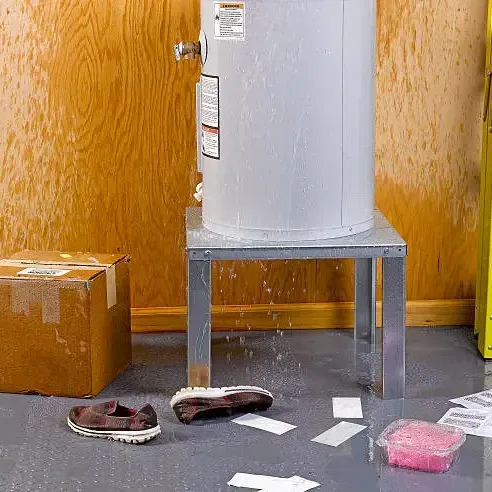 07Water Heater Leak CleanupA leaking tank soaks the floor around it, so the water is stopped, removed and the area dried out.View service
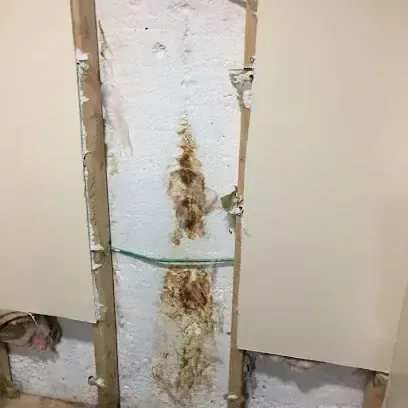 08Burst Pipe Water DamageA split pipe can flood a wall cavity fast, so the water is controlled and the wet materials are dried.View service
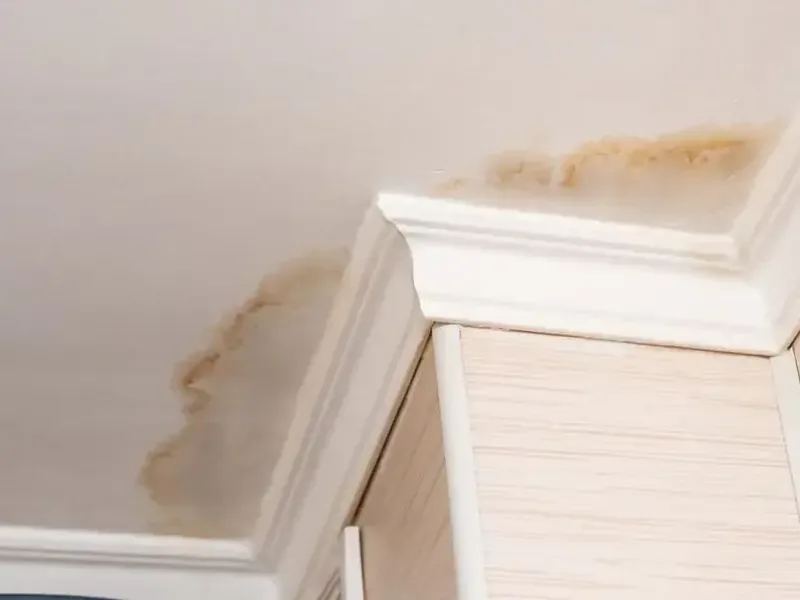
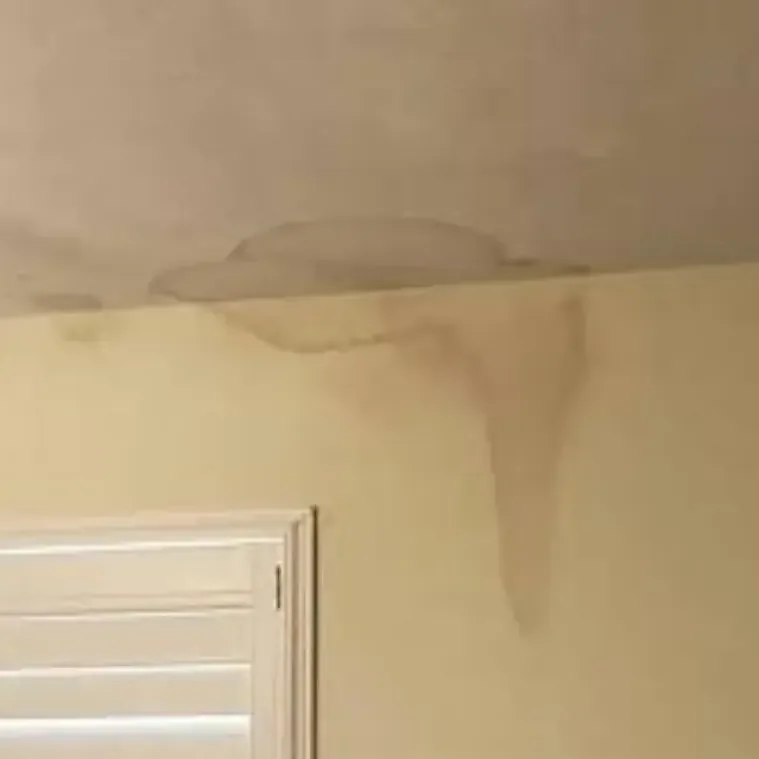 09Ceiling Leak Water DamageA stain or sag overhead means water above, so the source is traced and the soaked ceiling is dried.View service
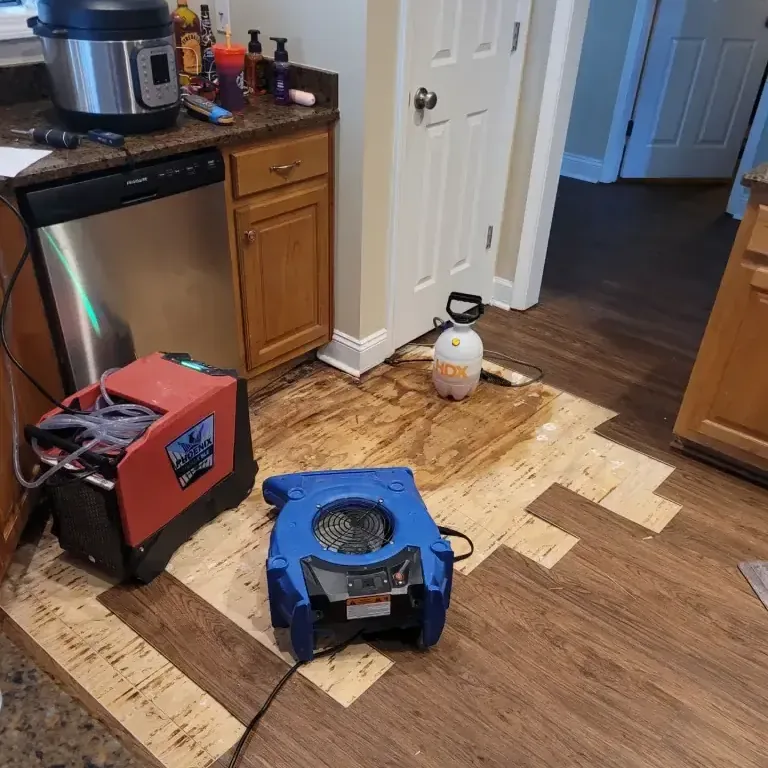 10Appliance and Supply Line LeaksA washer, dishwasher or refrigerator leak often hides under floors and cabinets until the moisture is checked.View service
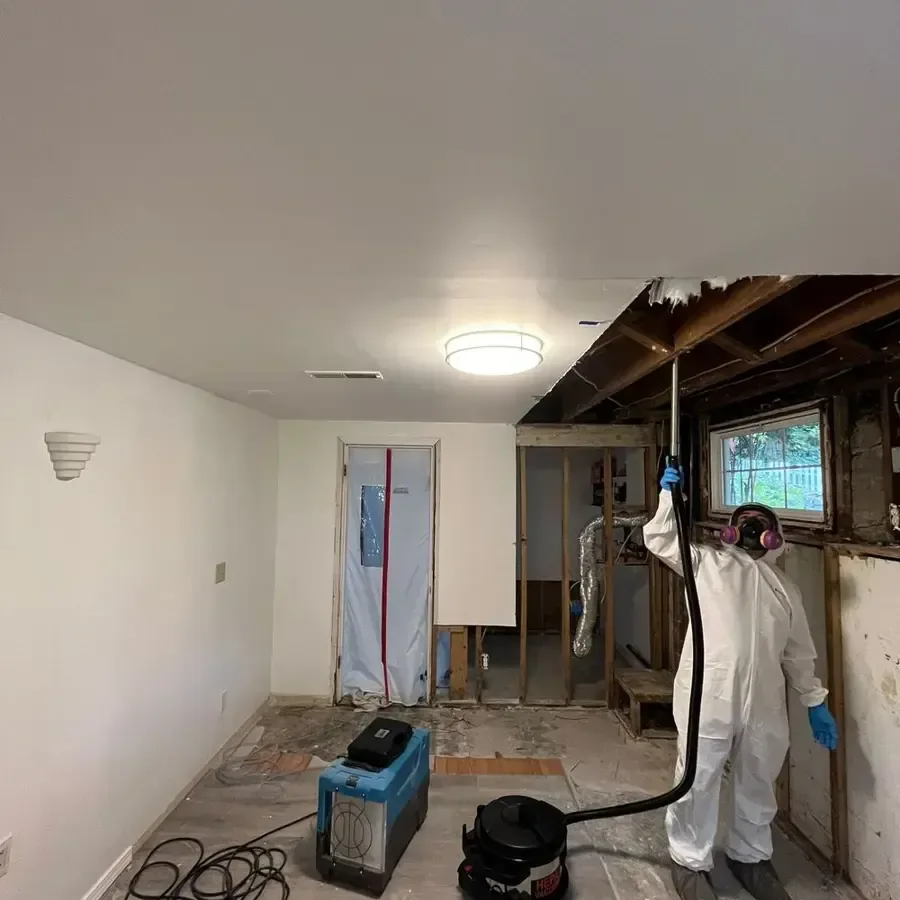 11Sewage Backup CleanupSewage in a bathroom or hallway is a health risk and gets separate, protective handling and cleanup.View service
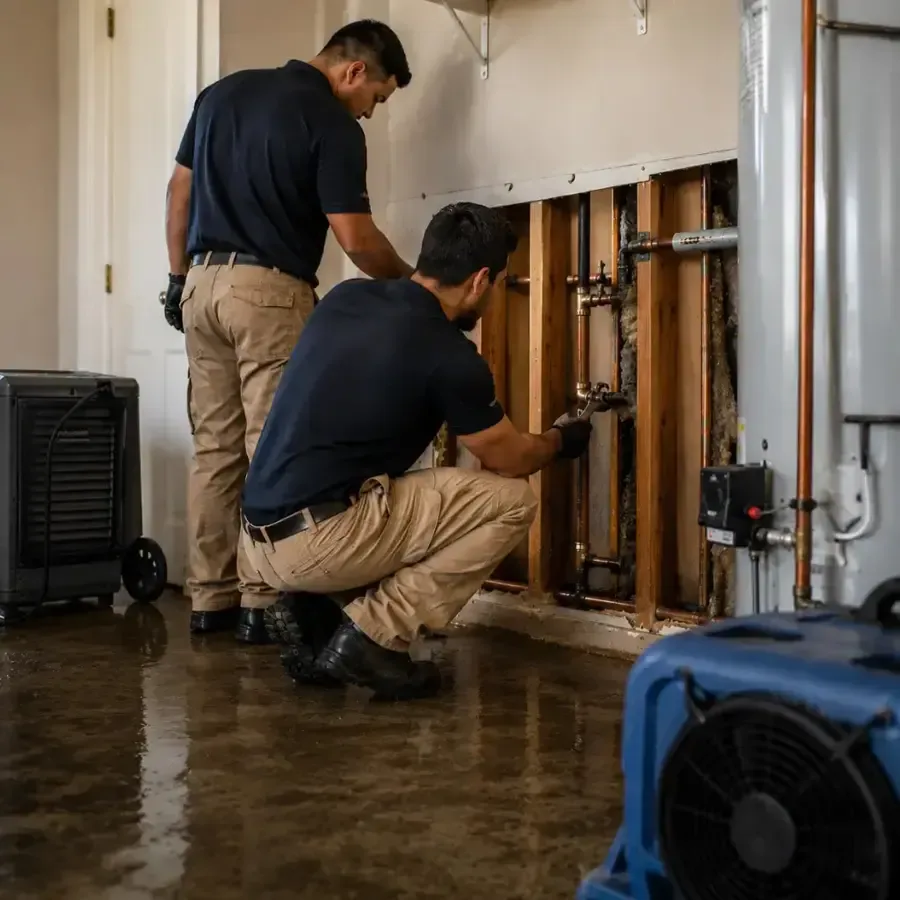 12Structural Drying and DehumidificationAir movers, dehumidifiers and moisture readings pull the water out of framing, drywall and subfloor.View service
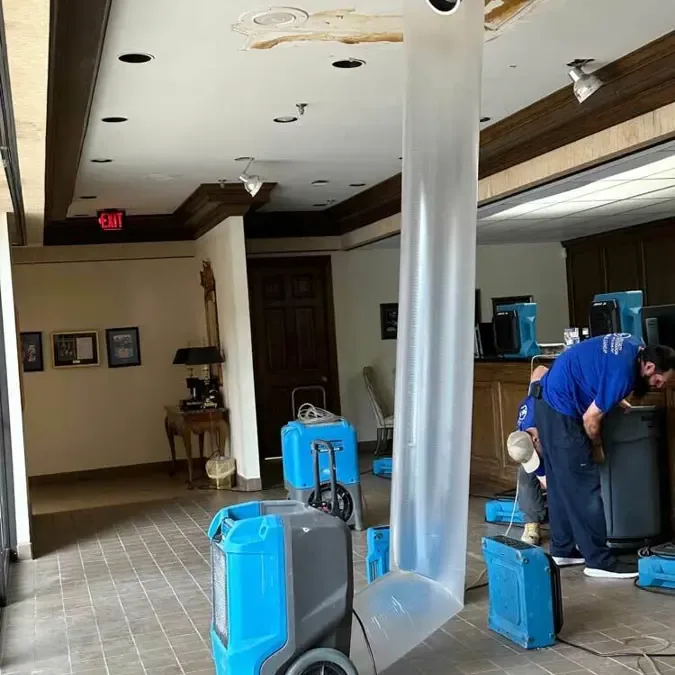 13Commercial Water DamageShops, offices and clinics get water removed and drying planned around the building's working hours.View service
What to do in the first stretch after water appears
Stop the source
Shut the main valve or the appliance valve if the water is clean, and keep everyone out of any room where sewage has backed up.
Make the area safe
Switch off power to wet rooms from the panel when it is dry to reach, and lift small valuables, rugs and electronics to higher ground.
Photograph before cleanup
Take wide and close photos of the damage and the water mark on the walls, since those images support the adjuster's work later.
Call for extraction
Call the crew once the source is controlled, so pumping and drying can begin before wet drywall and insulation hold the moisture.
Three jobs that come up often here
Air conditioner overflow
Summer highs push cooling systems hard, and a clogged condensate drain can drip into ceilings and closets before anyone notices.
Read about condensate leaksA leaking water heater
A tank that fails floods its closet or garage floor, so the water is stopped, removed and the area dried.
See water heater cleanupSewage inside the house
A backup brings contamination, so rooms are sealed off and cleaned with protective gear and separate tools.
How sewage cleanup worksA crew built around finding and drying the water
The work follows the water, not a fixed script. Each job begins with a source check and moisture readings, so the drying plan matches what is actually wet.
Source before equipment
Pipes, roofs, appliances and sewage need different first moves, so the cause is located before any pump or fan is set.
Meter readings, not guesses
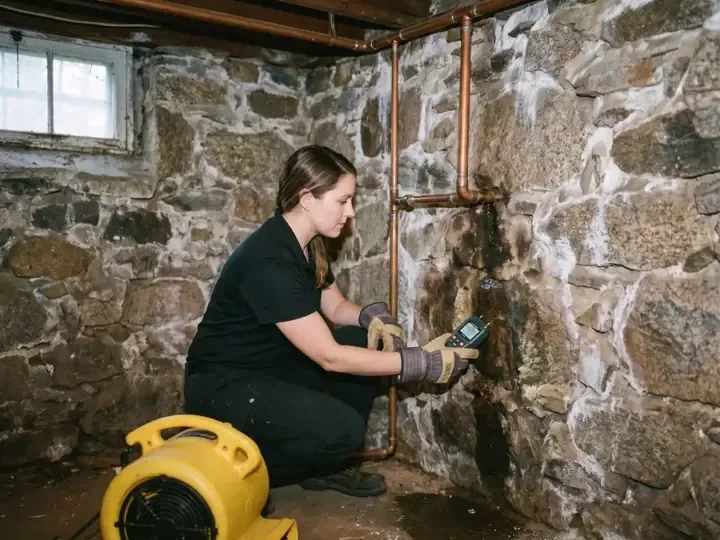
A moisture meter shows how far the water traveled behind paint and under flooring, which decides how much gets opened up.
Notes for the claim
Photos, meter logs and daily drying notes are kept as the job moves, so an adjuster sees how the loss progressed.
Water and sewage only
The crew handles water and sewage losses and nothing else, so the equipment and process stay focused on that one kind of work.
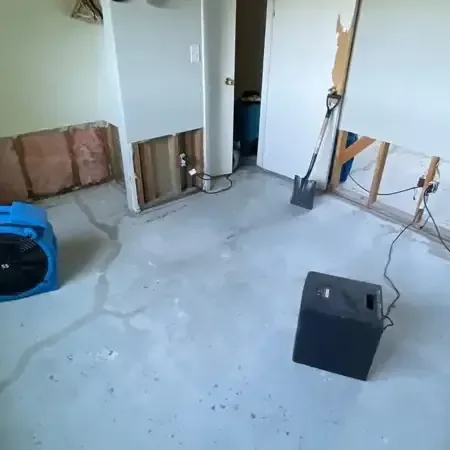
How each job is run from start to finish
Every job moves through the same four stages, whether the cause is a split pipe or monsoon runoff. The stages stay in order so that no wall is closed over a wet cavity.
- Locate. The crew traces the water to its source, confirms it is shut off and maps which rooms, walls and floors took on moisture.
- Extract. Pumps and extraction wands pull standing water off the floor, and soaked padding or loose material that cannot be saved is removed.
- Dry. Air movers and dehumidifiers run on the wet structure while meter readings show whether drywall, framing and subfloor are drying.
- Verify. Final readings confirm the materials are back to normal levels, and the photos and logs are handed over for the adjuster.
What water damage cleanup costs in most homes
Cleanup usually falls in three bands, from $1,500 to $5,000 for a small wet area up to $12,000 to $30,000+ when most of a home is affected. Size, materials and how long the water sat set the figure.
One wet room
- Pump out, meter checks and drying for a contained area
- Limited baseboard or drywall removal
- A few days of equipment
Several rooms affected
- Extraction plus a larger drying setup
- Flooring and wall material removed
- Daily moisture readings
Most of the home
- Whole floor or more than one level wet
- Extensive material removal before drying
- Longer equipment run
These are typical ranges, not quotes. The real figure is set after meter readings show what is wet, and a sewage loss or hidden damage can move a job up a band.
Documentation that supports a claim
Insurers want proof of what happened and when. The crew documents the damage as the work proceeds, and the homeowner should keep these items together.
- Photos of the damage before any cleanup begins
- The date the water started and the cause
- Moisture readings from every affected room and floor
- A list of damaged belongings with photos
- Daily drying logs until the readings settle
What a homeowner can do first
Close the main valve or the appliance valve when the leak is clean water and the valve is safe to reach, then shut off power to the wet area.
Read the policy for what it says about sudden water loss and the reporting window, and contact the adjuster early with the first photos.
Water damage crews across the whole town
ZIP codes served
Reaching the crew from anywhere in town
Water does not wait for business hours, so a call at any hour starts with where the water came from and whether it has been shut off.
Reports from the Heritage District, Val Vista Lakes and the neighborhoods around SanTan Village get the same crew from source check to final readings.
(888) 949-8496Report water in the houseRoads and landmarks covered
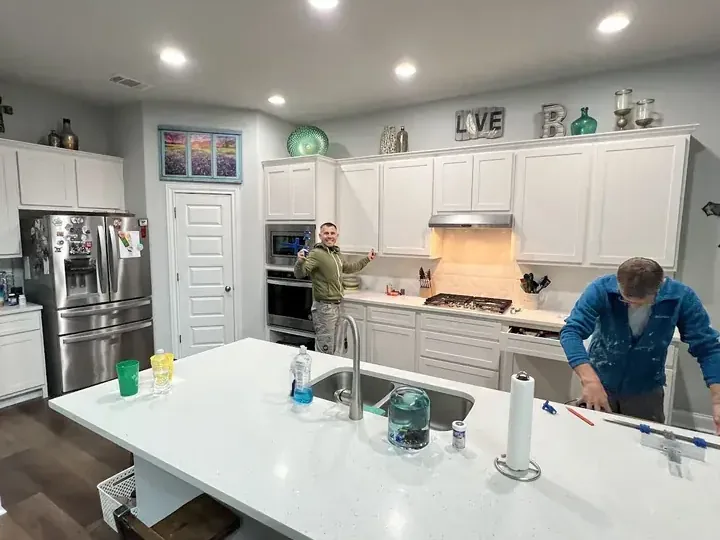
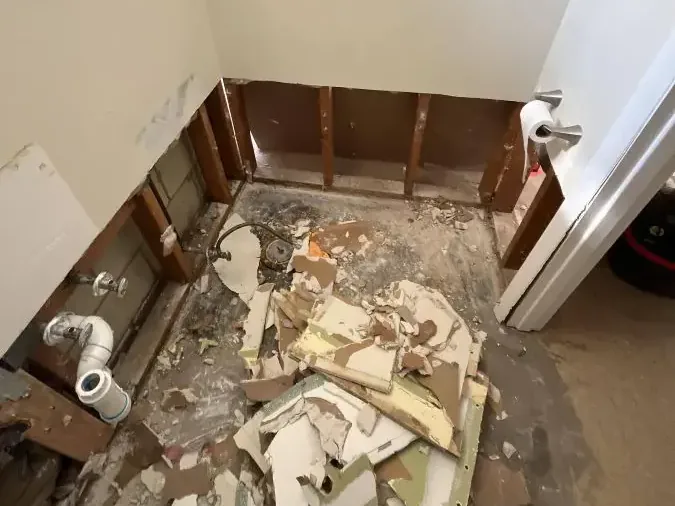
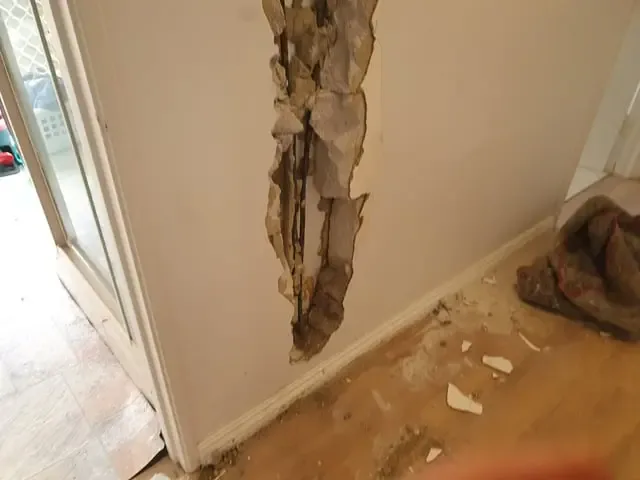
What drying and cleanup looks like in a house
Weather that tests Gilbert roofs and pipes
Gilbert has a hot arid climate and averages 9.21 inches of rain a year, with some rain in every month. Most days are dry, so a sudden storm or a stretch of cold can catch a household unprepared.
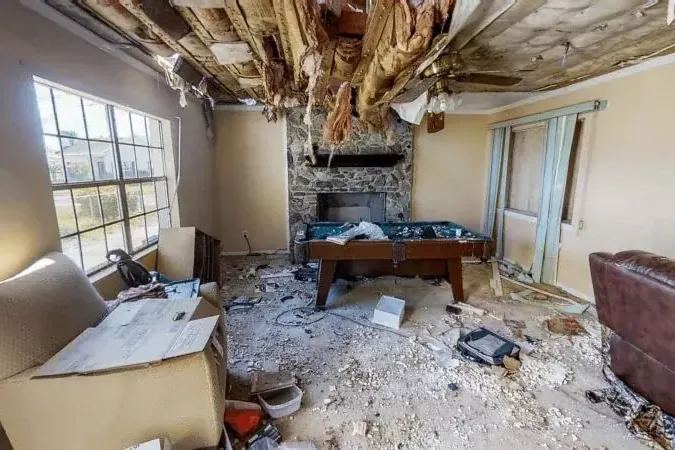
Throughout the year: NWS Phoenix event summaries cover Phoenix area storms: heavy rainfall, flash flooding, dust storms, damaging winds, large hail and tornadoes. This is a regional pattern, not one dated storm.
Monsoon downpours
Gilbert typically gets somewhat more rain than Phoenix, and storm rain can be pushed under doors and into garages.
Hail and wind on roofs
NWS Phoenix event summaries list large hail and damaging winds for the Phoenix area, and either can open a path for water above the ceilings.
Summer cooling load
Mean daily highs reach 104 degrees F in June, 106 in July and 104 in August, so air conditioners run hard and condensate drains can clog or overflow.
A rare hard freeze
Record lows fall below 32 degrees F in every month from October through April, with 15 degrees F on record in January, so exposed pipes can split on a freezing night.
Water heaters and appliances
Tanks, washers and dishwashers fail in any weather, and their slow leaks often reach the subfloor before a stain shows.
Sewage in the system
The Town of Gilbert runs its own wastewater system, and a backup that reaches a house carries a health risk that needs separate cleanup.
Water damage questions from local homeowners
Water in the house right now?
Stop the source if the valve is safe to reach, then call. Pumping and drying work best when they begin before the walls and flooring soak the water up.
(888) 949-8496 Ask for a drying crewWhat should happen first when a pipe bursts?
The water is shut off at the valve, power is kept away from wet areas, and then the crew pumps out standing water and sets drying equipment. The burst pipe page walks through the steps in order.
How long does drying usually take?
Most structures need several days with air movers and dehumidifiers running, and the readings decide when materials are dry. Concrete and hardwood take longer than carpet and drywall, so the meter sets the schedule, not the calendar.
Does a dry climate mean the water leaves on its own?
Surface water may evaporate, but wet insulation, drywall and subfloor hidden inside walls can stay damp for a long time. Moisture readings show what is still wet, as described under structural drying.
Is sewage handled like clean water?
No. Sewage carries a health risk, so the area is contained, protective gear is worn and affected porous materials are removed instead of dried. The sewage backup page covers the full process.
Will insurance pay for the work?
The policy decides, and sudden events such as a burst pipe are treated differently from slow, ongoing leaks. Dated photos and moisture readings help the adjuster see which kind of loss it was and how far it spread.
Why is there a ceiling stain with no rain?
A stain can come from the roof, a pipe above or an air conditioner drain, so the source is traced before any drying starts. See ceiling leak damage for the usual causes and the steps that follow.
Can mold start after a leak?
Growth can begin within 24 to 48 hours on damp materials, which is why extraction and drying begin as soon as the source is controlled. Getting wet drywall and subfloor dry is the main way to keep it from starting.
Does the crew work on commercial buildings?
Yes. Shops, offices, clinics and schools get water removal and drying planned around daily operations, as laid out on the commercial water damage page, so the building can reopen sooner.
Which parts of town does the crew cover?
The crew works across the whole town, including ZIP codes 85233, 85234 and 85296, and along roads such as Williams Field Road and Chandler Boulevard. Homes in the Heritage District and near Val Vista Lakes are covered the same way.
What does the first visit involve?
A crew member finds the source, photographs the damage, takes moisture readings in each wet room and explains the drying plan before any equipment is set, so the household knows what happens next.
Standing water keeps soaking in, so the next call matters
Call now and a crew will talk through the source, the affected rooms and how the drying will be set up.
(888) 949-8496Call the crew about water