Water Damage Restoration Florence, AZ
Monsoon rain under a door, a slab leak beneath the tile or a water heater giving out in the garage: the restoration team extracts it, dries the structure to IICRC S500 and records every reading.
(888) 949-8496Get the desert dry-out started tonightActive water is treated as urgent around the clock, from Anthem at Merrill Ranch to the historic Main Street core.
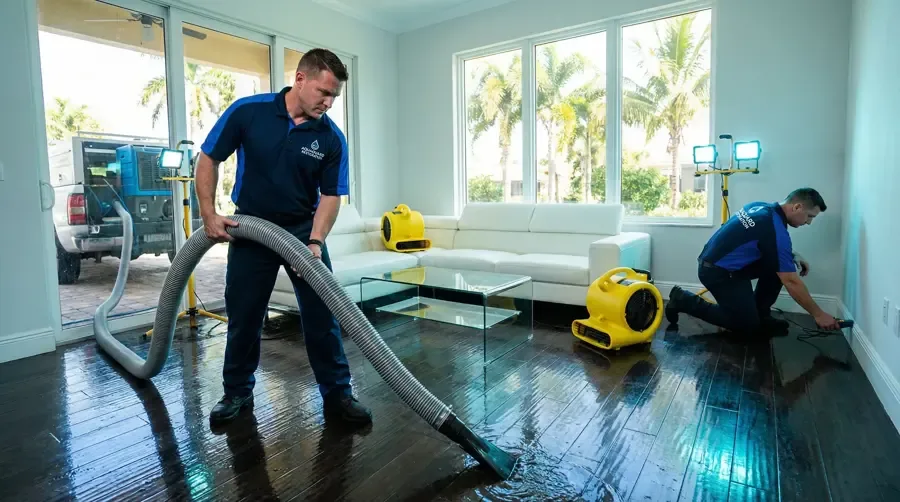
Water Damage Restoration Services in Florence, AZ
Thirteen water problems, one drying standard. Every service below starts with extraction or source control and ends when moisture readings match a dry reference, not when the floor looks dry.
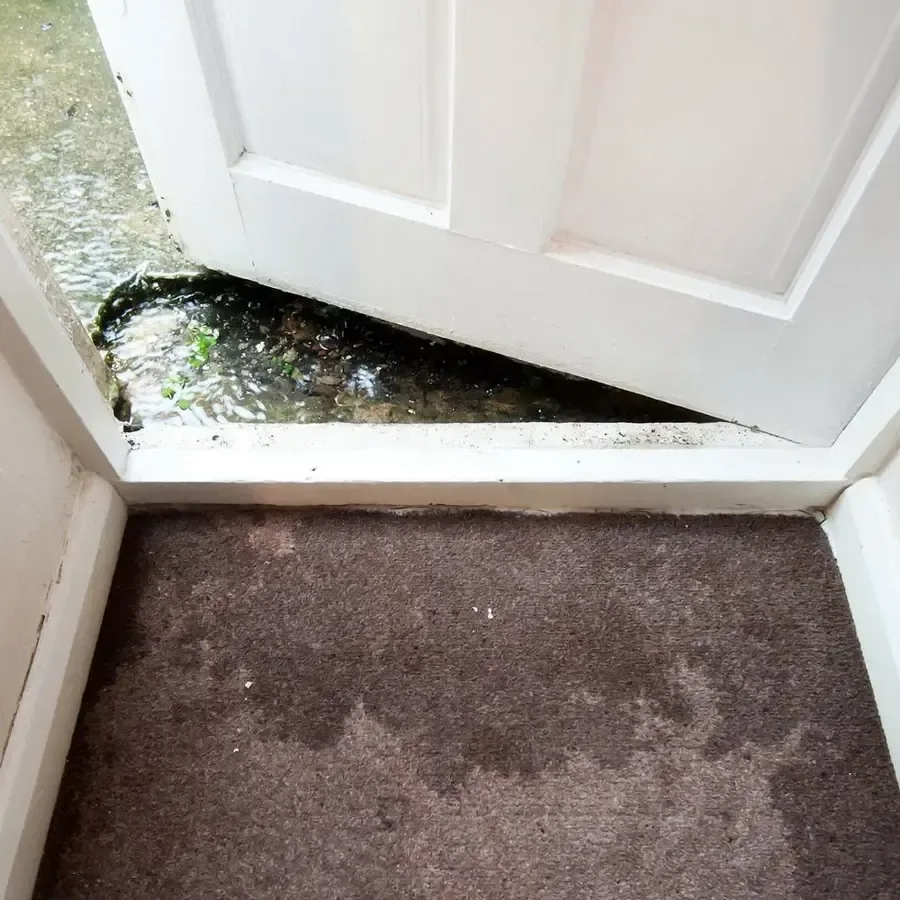 01Monsoon Storm Water DamageWind-driven monsoon rain pushed under doors, past patio sliders and through window frames, extracted and dried out.View service
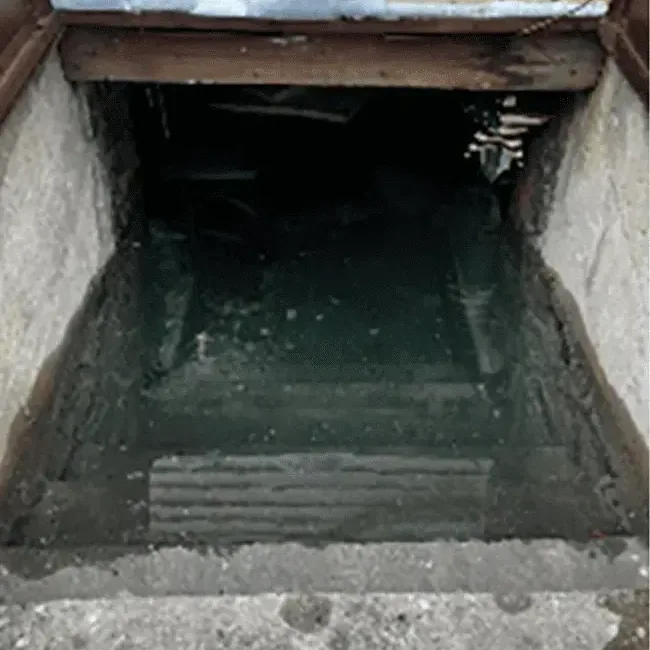 02Flash Flood CleanupRunoff that rises off streets and low lots into the house, treated as Category 3 from the start.View service
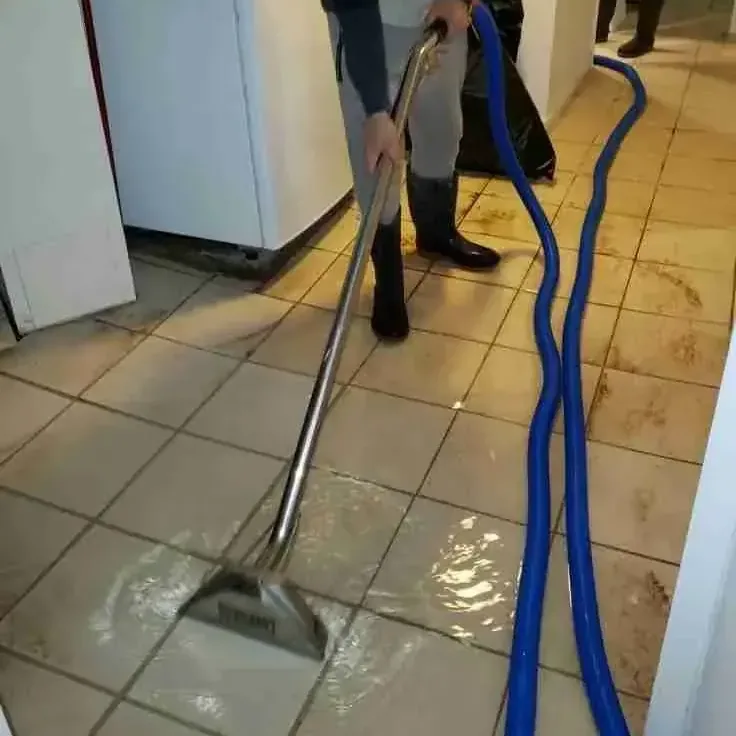 03Water Extraction and RemovalTruck-mounted and portable units pull standing water off tile, carpet and slab before it wicks into walls.View service
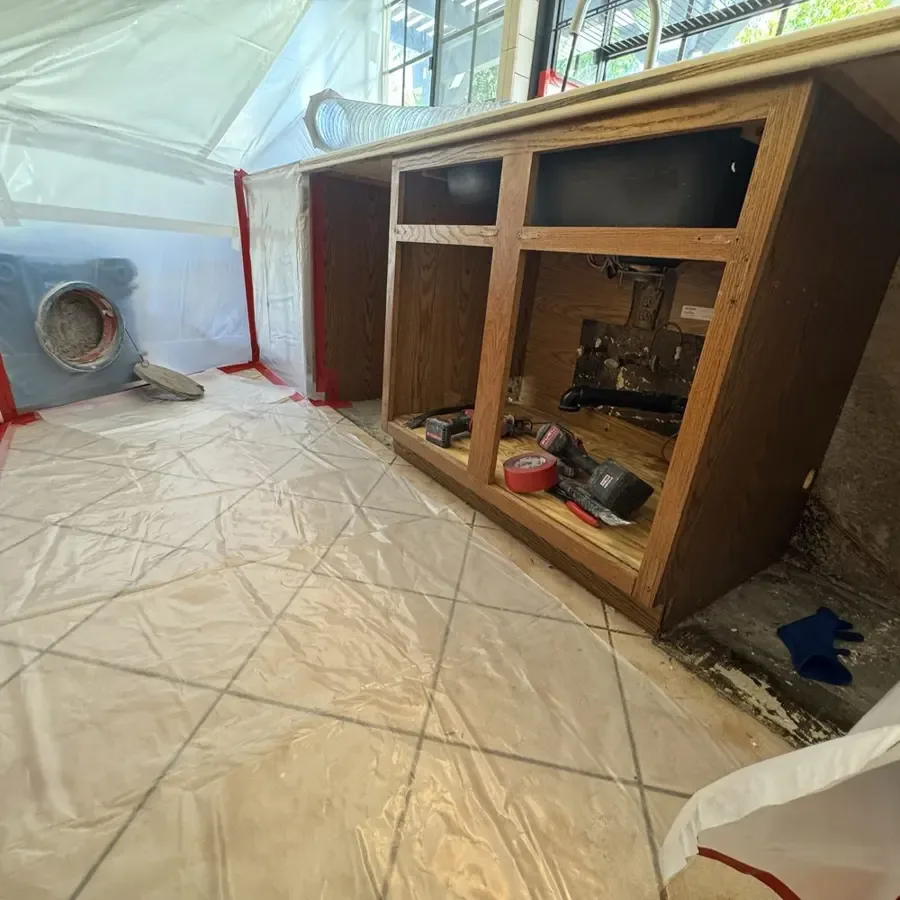 04Slab Leak Water DamageHidden supply leaks under the concrete traced with moisture mapping, wet flooring lifted and the slab dried.View service
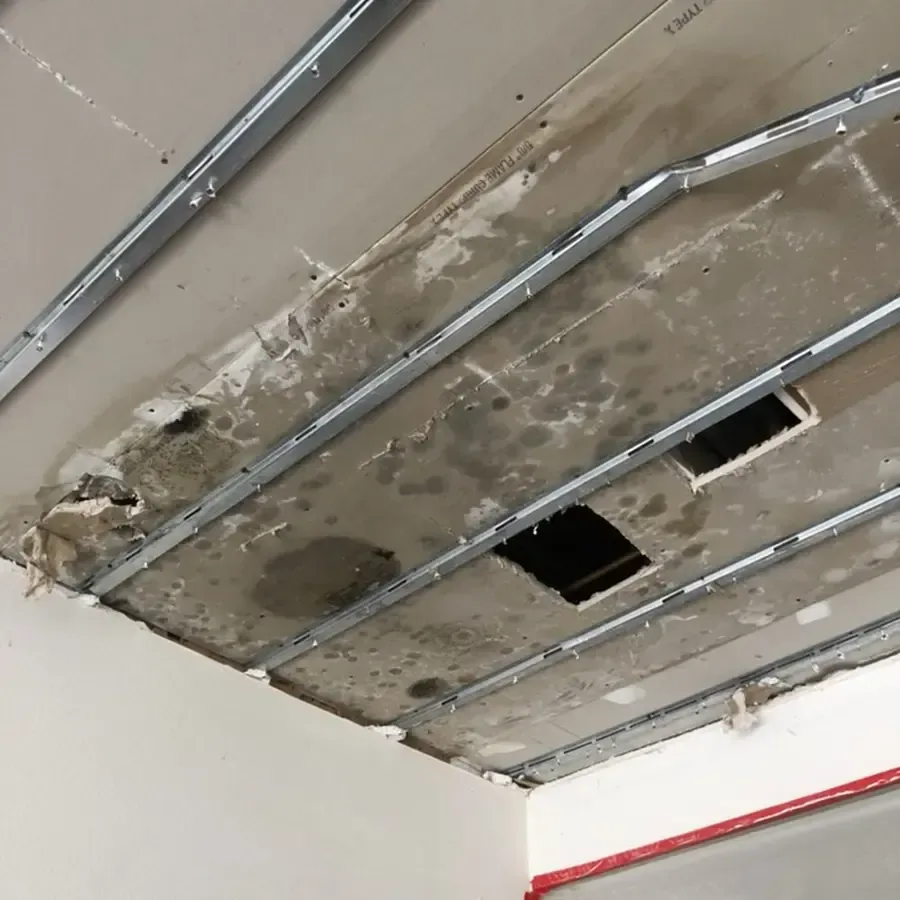 05Roof Leak Water DamageMonsoon rain through tile underlayment, flat roof seams and flashing, with attic insulation and ceilings dried.View service
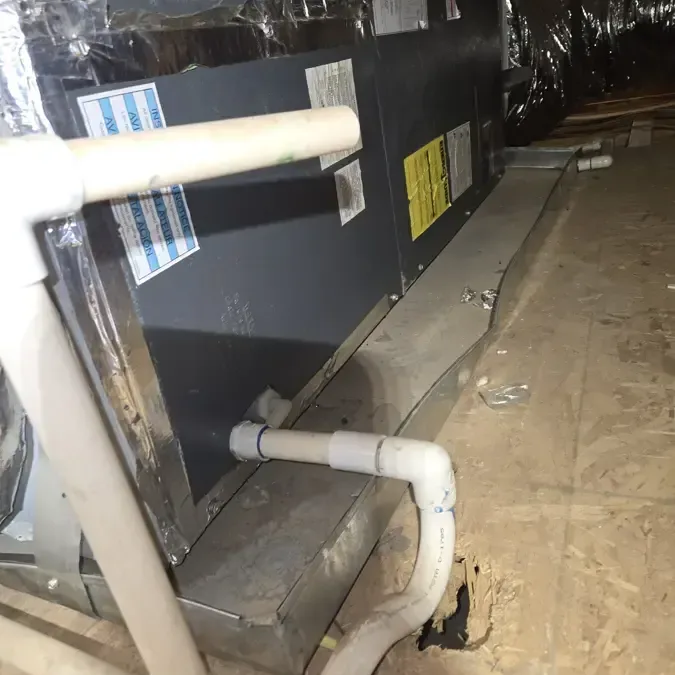 06AC Condensate and Cooler LeaksOverflowing air handler pans, clogged condensate lines and leaking evaporative coolers traced and dried out.View service
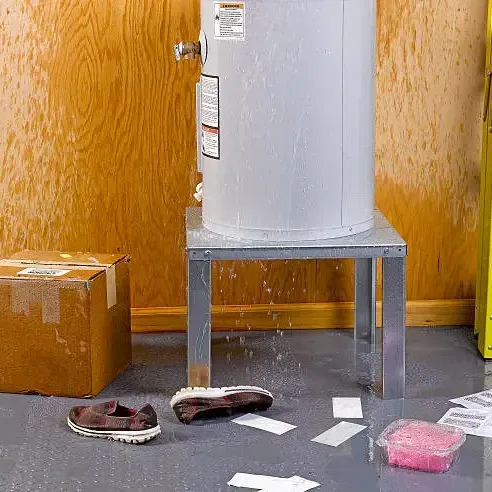 07Water Heater Leak CleanupFailed tanks in garages, closets and attics, with water pulled up before drywall and cabinets soak through.View service
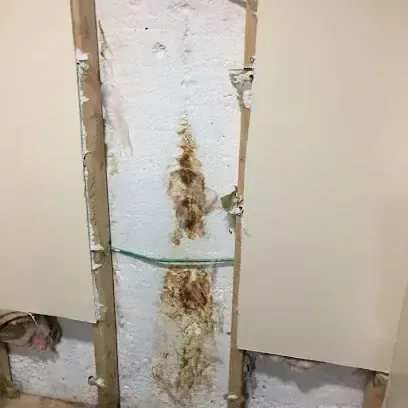 08Burst Pipe Water DamageSplit supply lines and failed fittings inside walls and ceilings, cavities opened and dried to a reading.View service
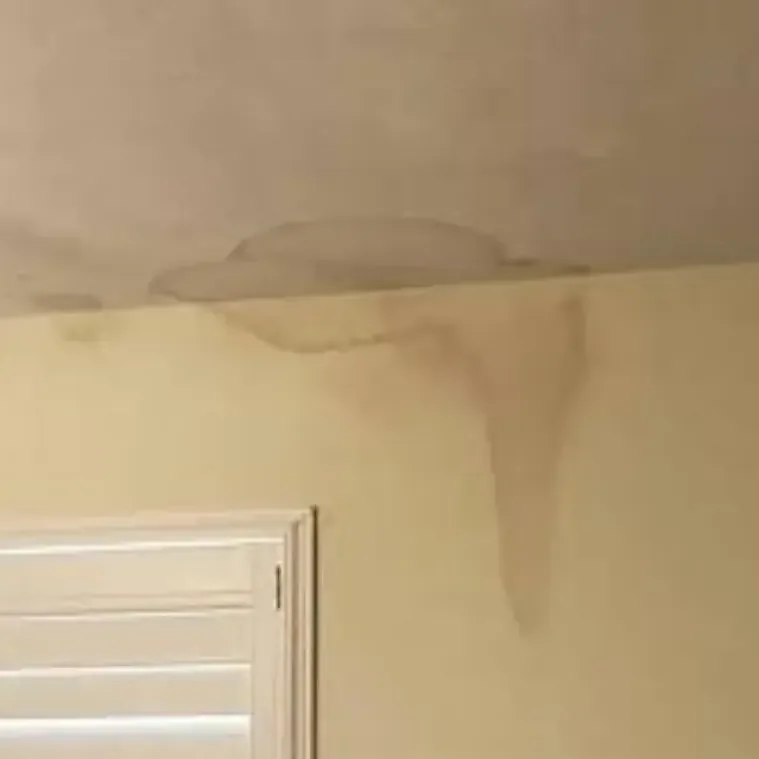 09Ceiling Leak Water DamagePlumbing and drain leaks from above, sagging drywall opened safely and joist bays dried before repairs.View service
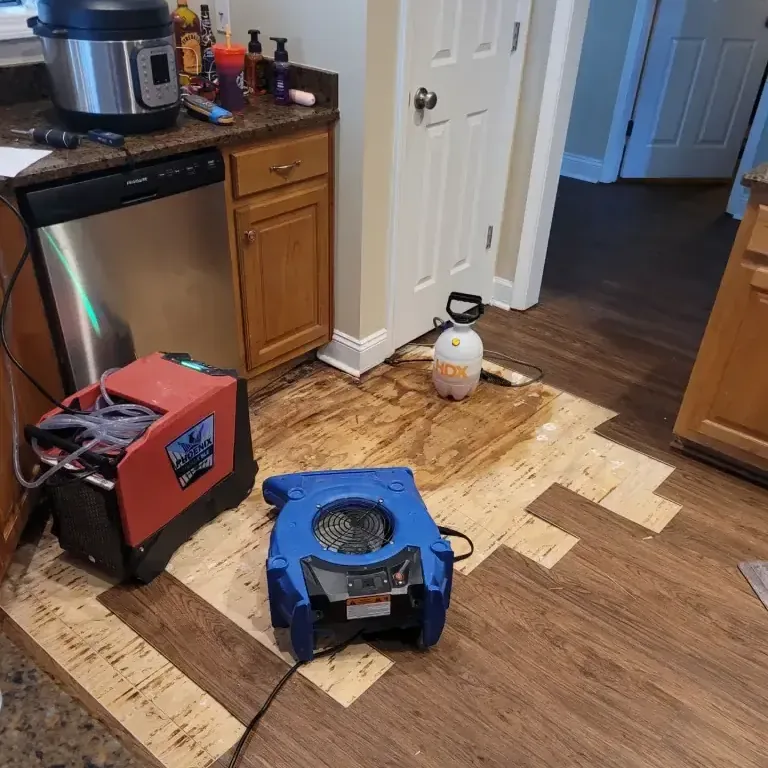 10Appliance and Supply Line LeaksWasher hoses, dishwashers, ice makers and toilet supply lines dried out of cabinets, baseboards and floors.View service
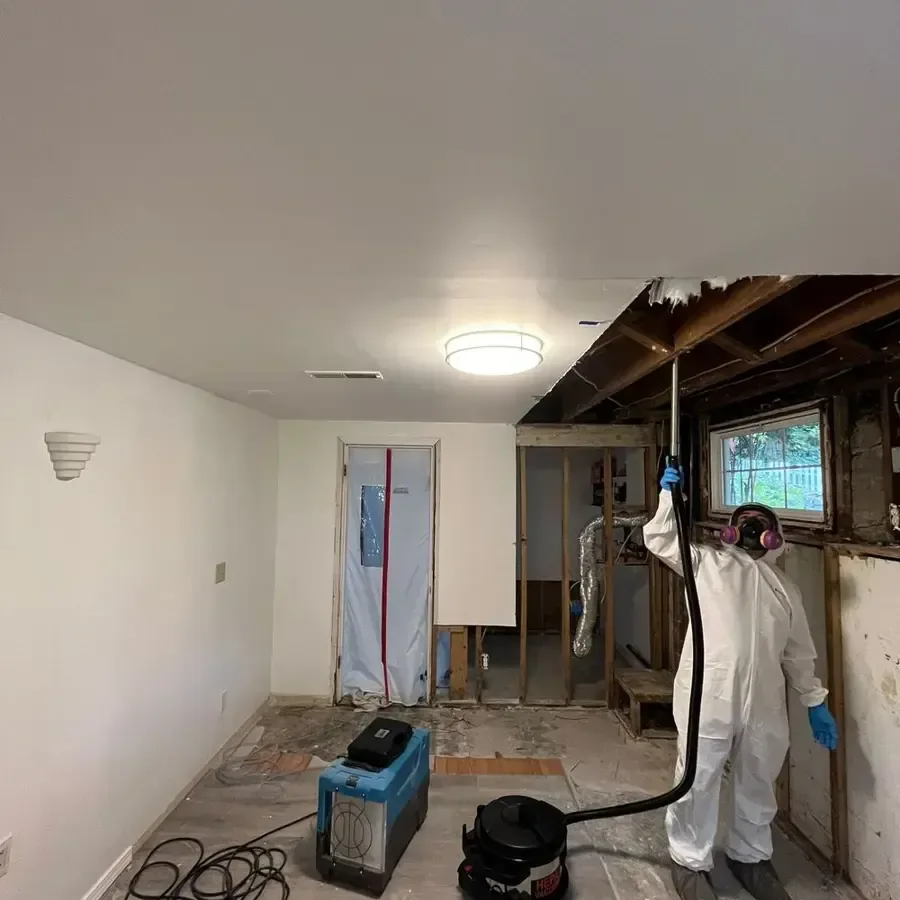 11Sewage Backup CleanupToilet, tub and cleanout backups handled as Category 3, porous materials removed and surfaces treated.View service
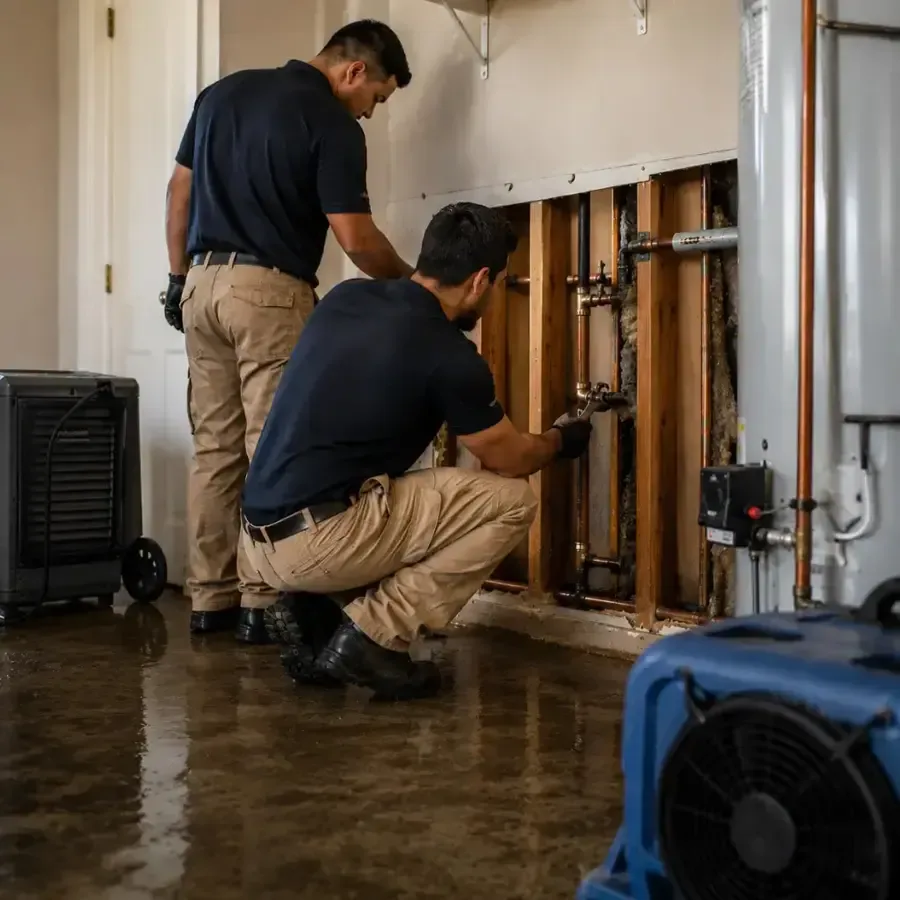 12Structural Drying and DehumidificationFraming, drywall and concrete dried with LGR dehumidifiers until readings sit within 2 to 4 points of dry.View service
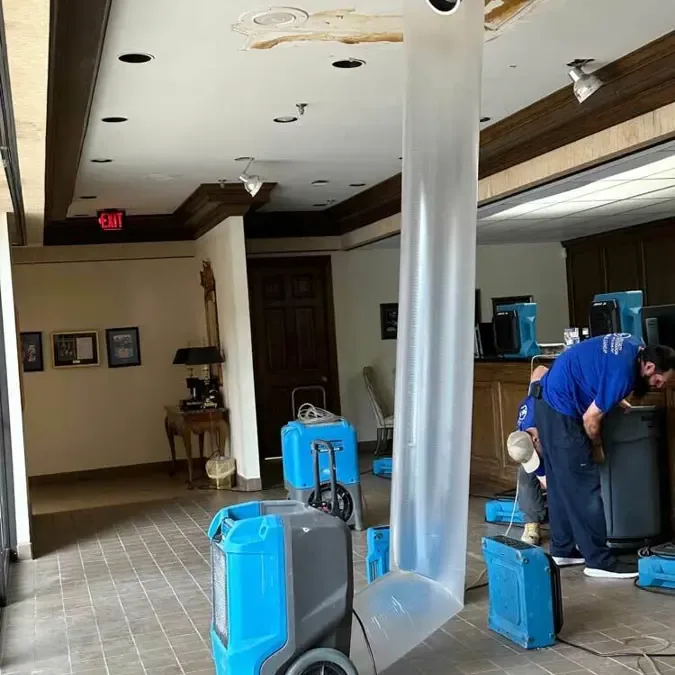 13Commercial Water DamageOffices, shops and county buildings extracted and dried, with the work planned around business hours.View service
What to do in the first hour after water shows up
Stop the source
Close the main shutoff or the valve on the leaking fixture, and switch the water heater off if the tank is the problem.
Cut power to wet rooms
Turn off breakers for any room where water reaches outlets, cords or appliances, and stay out of standing water.
Photograph before moving
Take wide shots and close-ups of every wet room, the source and the water line on the walls before anything is lifted.
Lift, then call
Move rugs, electronics and boxes off wet tile and carpet, then call so extraction starts while the water is still shallow.
Clean, gray and black water are handled differently
Category 1: clean water
Supply lines, slab leaks and water heater tanks start clean. Fast extraction usually lets carpet pad, drywall and cabinets dry in place.
How a slab leak gets driedCategory 2: gray water
Washer and dishwasher discharge and AC drain pans carry soap, lint and microbes. The pad usually comes out and surfaces get an antimicrobial.
Drying out an appliance leakCategory 3: black water
Sewage and floodwater that crossed the ground outside are grossly contaminated. Porous materials they touched come out before drying starts.
Sewage backup cleanup stepsRestoration built for slab homes, monsoon storms and desert heat
Desert air dries surfaces fast and hides what stays wet underneath. The drying team measures the slab, the framing and the drywall instead of trusting how a room looks.
Around-the-clock dispatch
Water inside a house is treated as urgent at any hour, weekends and holidays included, because grout lines, baseboards and drywall keep wicking until extraction starts.
Measured, not guessed
Moisture meters and thermal imaging map the wet area on the first visit, and daily readings decide when each air mover and dehumidifier comes out.
Slab-aware drying
Concrete under tile and vinyl gives up water slowly, so every drying plan accounts for the slab, the wall bottoms and the cabinet toe kicks.
Claim-ready records
Timestamped photos, moisture maps and daily psychrometric logs go into one file that an adjuster can follow line by line.
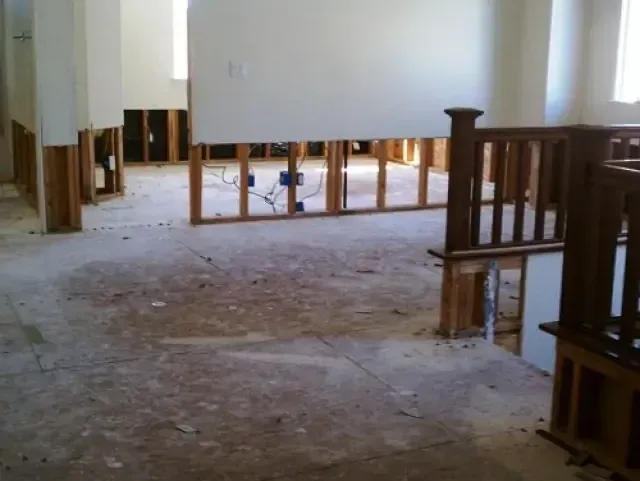
Dried to IICRC S500, checked with daily readings
IICRC S500 is the industry standard for water damage restoration. It sets how the category and class of loss are judged, how the equipment is sized and when a structure counts as dry.
- Inspect. The source is found and stopped, the water is assigned Category 1, 2 or 3 and every wet material is mapped with meters and thermal imaging.
- Extract. Truck-mounted and portable units pull standing water off tile, carpet and pad, because extraction removes far more water than evaporation ever will.
- Dry. Air movers and LGR dehumidifiers are set for the class of loss, with containment where it helps, and the drying runs day and night.
- Verify. Readings are logged daily until materials sit within 2 to 4 points of a dry reference in the same home, then the equipment comes out.
What does water damage restoration cost in Florence, AZ?
Most water damage restoration jobs in this area land between $1,500 and $30,000. The category of water, the square footage that got wet, the material class and how fast drying started move the total more than anything else.
One room, clean water
- A supply line or water heater leak
- Extraction and drying in place
- Daily moisture readings
Several rooms or a slab leak
- Wet flooring and baseboards lifted
- Wall bottoms and toe kicks opened
- Containment and LGR drying
Floodwater or sewage
- Category 3 water from outside or a drain
- Porous materials removed
- Antimicrobial and longer drying
Ranges are typical, not a quote. A walkthrough with a moisture map sets the real scope, and the water damage cost calculator gives a closer range from five answers.
Records an adjuster can follow
Homeowners policies usually treat sudden and accidental water, like a burst supply line, differently from flooding that rises from outside. The claim file shows which one happened.
- A moisture map of every wet room on the first visit
- Daily psychrometric logs of temperature, humidity and grains per pound
- Timestamped photos taken before any demolition
- The category and class of loss, written down
- A line-item scope of every task and material
Check your own policy
Coverage is decided by your insurer under your policy, not by the restoration team. Read the water damage and flood sections, and note any limit on sewer backup.
Surface floodwater is usually excluded from standard homeowners policies and covered by separate flood insurance. Ask your agent which policy applies before the next monsoon.
Water damage restoration across ZIP 85132 and Pinal County
ZIP code
One ZIP code, a fast-growing town and its neighbors
ZIP 85132 covers the incorporated town and the unincorporated Pinal County land around it, from the master-planned communities off Hunt Highway to the older streets near McFarland State Historic Park.
Dispatch runs 24/7 for every street in that ZIP and for the nearby towns listed here.
(888) 949-8496Confirm your street is in the drying zone Find us on GoogleNeighborhoods and roads
Nearby towns
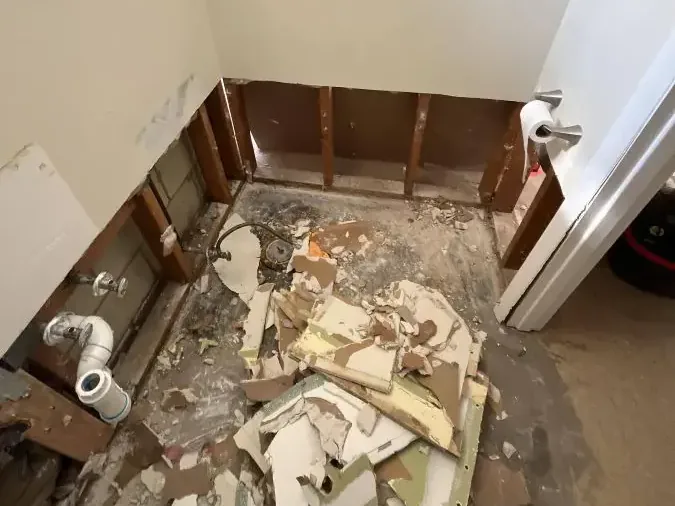
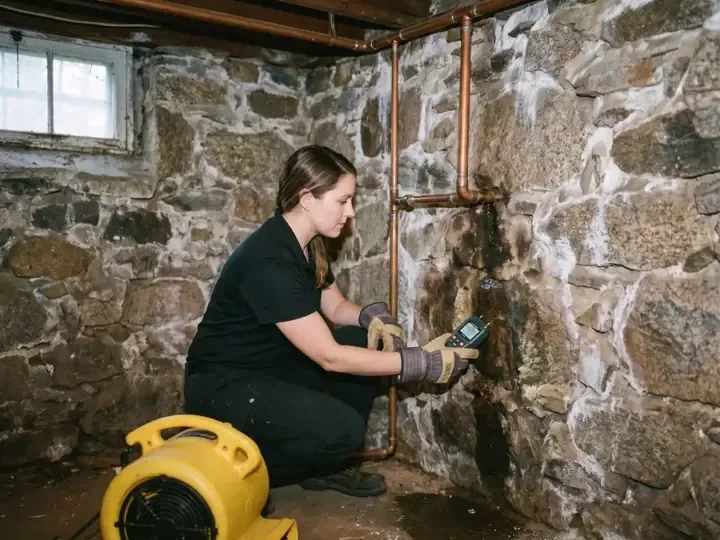
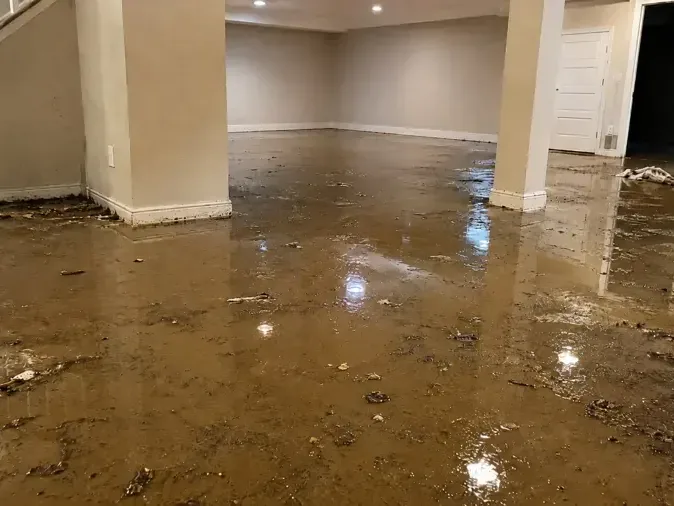
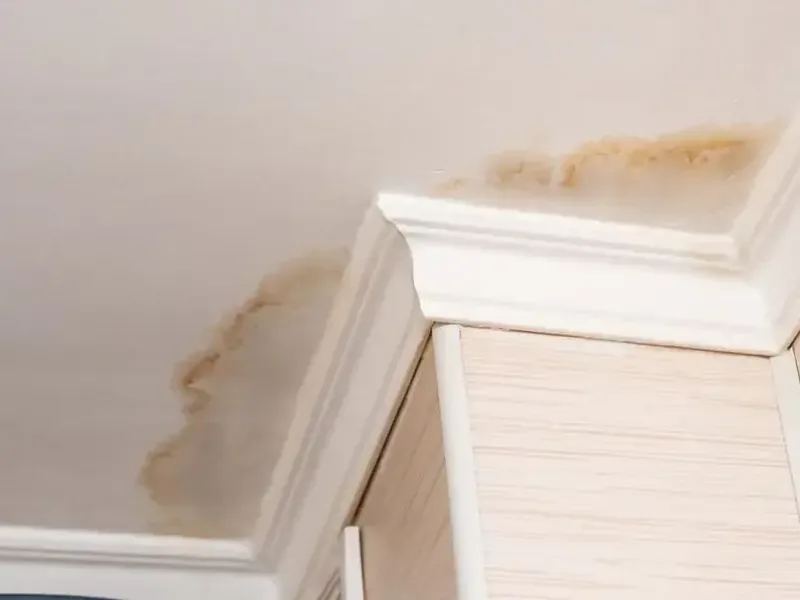
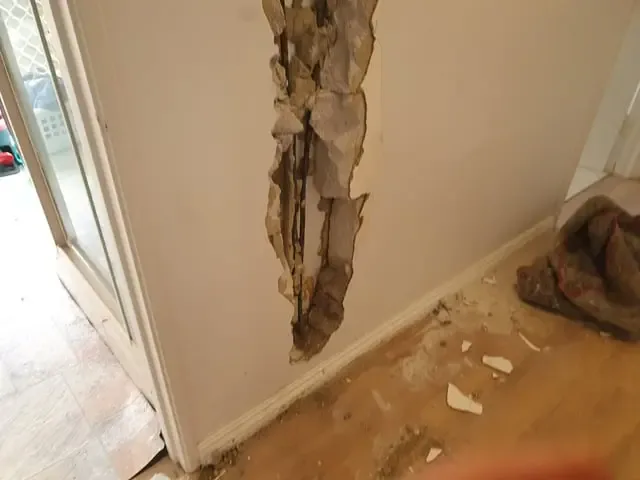
What a structural dry-out looks like inside a home
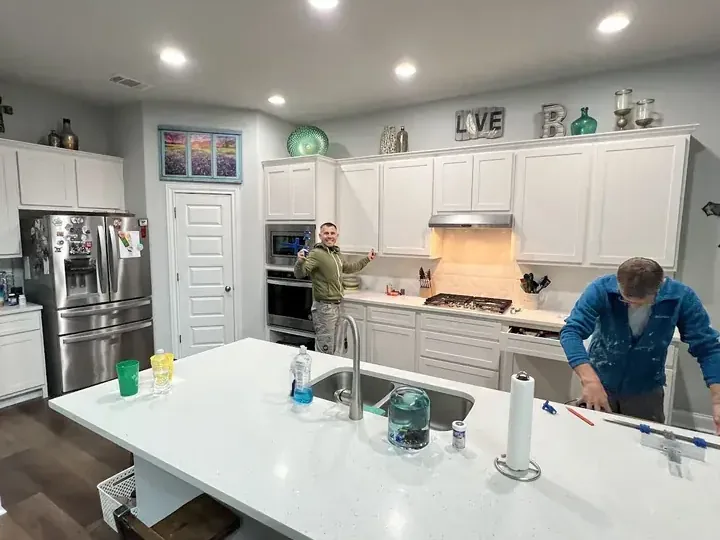
Why water damage here follows the desert calendar
The town sits on the south bank of the Gila River in the lower Sonoran Desert. Half the summer rain arrives July to September in the monsoon, and plumbing leaks fill in the rest of the year.
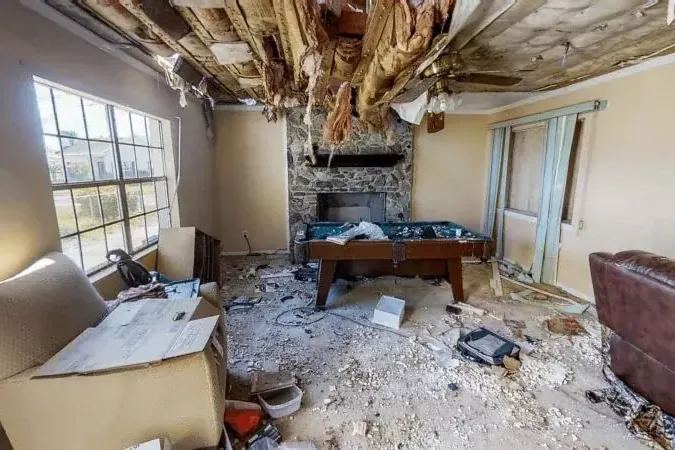
The early 1900s: The Gila River overflowed after a storm and wiped out most of Adamsville, a farming town just west of the townsite. Its residents moved to Florence.
Monsoon wind and rain
July to September storms arrive with blowing dust, then heavy rain driven sideways, which finds worn door sweeps, slider tracks and window frames. See storm water damage.
Flash flooding
Thunderstorms dump heavy rain on desert ground that sheds it fast. Runoff rises in streets and low lots and can reach garages and living space in a single storm.
Slab leaks under tile
Newer master-planned homes sit on concrete slabs with supply lines below the floor, and tile can hide a leak until grout darkens or baseboards swell. See slab leak water damage.
Garage water heaters
Tanks in garages and closets run on a groundwater supply, sediment settles in the bottom, and a corroded tank can let go without warning.
AC and cooler overflows
A long cooling season keeps air handler pans and condensate lines busy, and evaporative coolers on older roofs can leak into the ceiling below.
Sewer backups in the older core
Homes near the historic district can have older sewer laterals, where roots, grease or a heavy storm push water back up through toilets and tubs.
Water damage restoration questions, answered for Florence
Water spreading across the floor now?
Skip the reading for now. Shut off the water if it is safe, then call, and a drying crew walks the household through the next steps.
(888) 949-8496 Get extraction rolling at this addressHow fast can a crew respond to water damage?
Dispatch runs 24/7 and active water is treated as urgent, day or night. Arrival depends on the time and on where in the area the home sits, so the dispatcher gives a realistic window during the call.
What should be done while waiting for the crew?
Stop the water at the main shutoff or the fixture valve, switch off breakers for wet rooms, photograph everything before moving it and lift rugs, electronics and boxes off wet floors. Stay out of standing water near outlets.
Does homeowners insurance cover water damage?
Sudden and accidental water, like a burst supply line or a failed water heater, is often covered. Flooding that rises from outside is usually excluded and covered by flood insurance instead. Coverage depends on your policy, so check with your own insurer.
What causes most water damage in desert homes here?
Monsoon storms from July to September drive rain under doors and through roofs and send runoff into low lots. The rest of the year it is plumbing: slab leaks, water heaters in garages, AC condensate lines and washer hoses.
How long does structural drying take?
Most dry-outs take three to five days, and concrete slabs, hardwood and plaster can take longer. The equipment stays until readings show the materials sit within 2 to 4 points of a dry reference.
What is the IICRC S500 standard?
IICRC S500 is the industry standard for professional water damage restoration. It covers how the water category and the class of loss are judged, how drying equipment is sized and how dryness is verified with readings.
When does drywall have to come out?
Drywall soaked by clean water can often be dried in place if extraction starts quickly. It comes out when it is saturated high up the wall, crumbling, or touched by Category 3 water such as sewage or floodwater.
Why is a sewage backup handled differently?
Sewage is Category 3 water from the start. Crews wear protective gear, remove porous materials it touched above the waterline, clean and apply an EPA-registered antimicrobial at its full dwell time, then dry the structure.
How is the cost of water damage restoration figured?
The category of water, the square footage that got wet, the material class and how fast drying started set most of the total. A line-item scope lists every task, and the cost calculator gives a typical range first.
Does monsoon floodwater count as Category 3?
Yes. Runoff that crossed yards and streets carries soil, sewage and chemicals, so it is treated as Category 3 from the start. Porous materials it reached are removed and surfaces get an antimicrobial before drying.
Water in the house tonight? Get the extraction crew rolling before it spreads.
Extraction, structural drying and a claim-ready file, 24/7 across ZIP 85132 and nearby Pinal County towns.
(888) 949-8496Pull the water out tonight