Water Damage Restoration Coolidge, AZ
Monsoon rain blown under a door, a leak hiding beneath a slab floor or an air conditioner drain overflowing in summer heat all start the same way: extraction, then drying to IICRC S500 with every reading logged.
(888) 949-8496Get extraction started before it spreadsActive water is treated as urgent around the clock, from the historic downtown blocks to the newer subdivisions built after 2010.
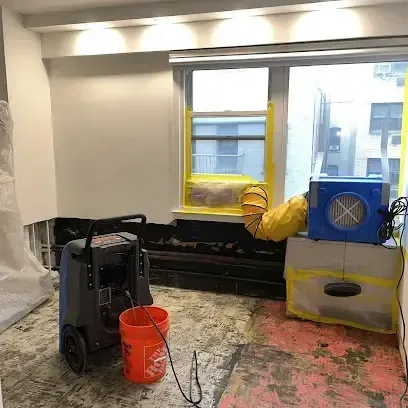
Water Damage Restoration Services in Coolidge, AZ
One standard covers all thirteen services below: find and stop the source, extract what is standing, then run drying equipment until the readings match a dry reference.
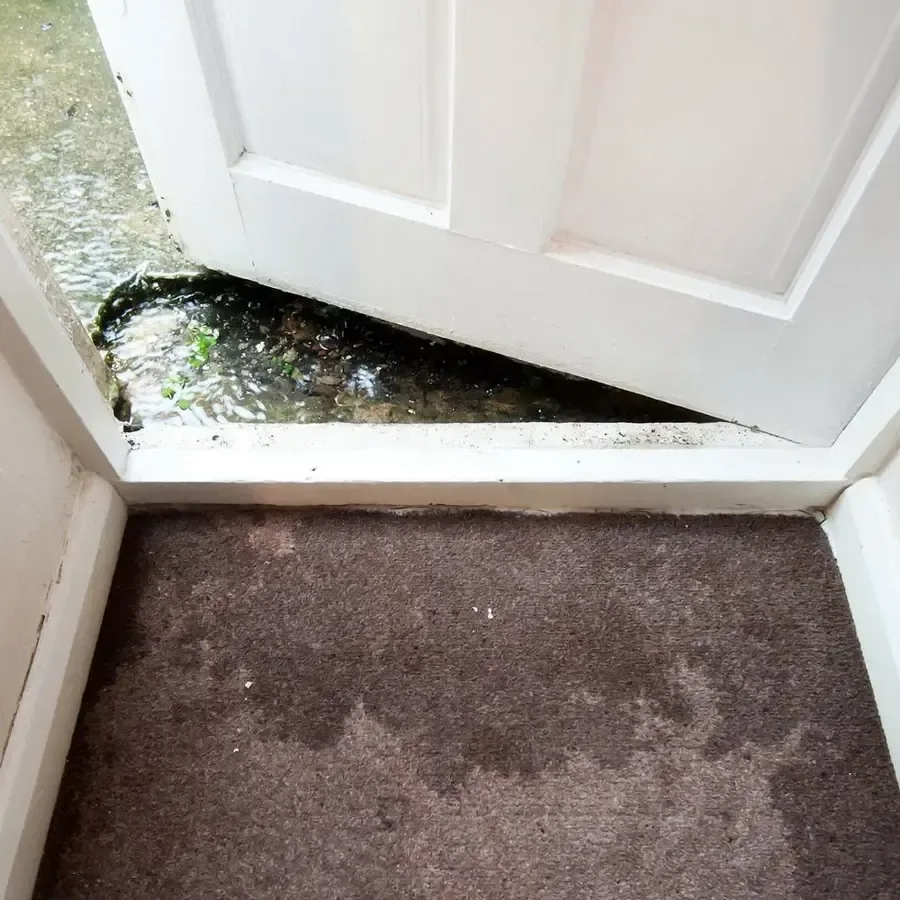 01Monsoon Storm Water DamageWind-driven monsoon rain pushed in under doors and through window frames, pulled up and dried to a reading.View service
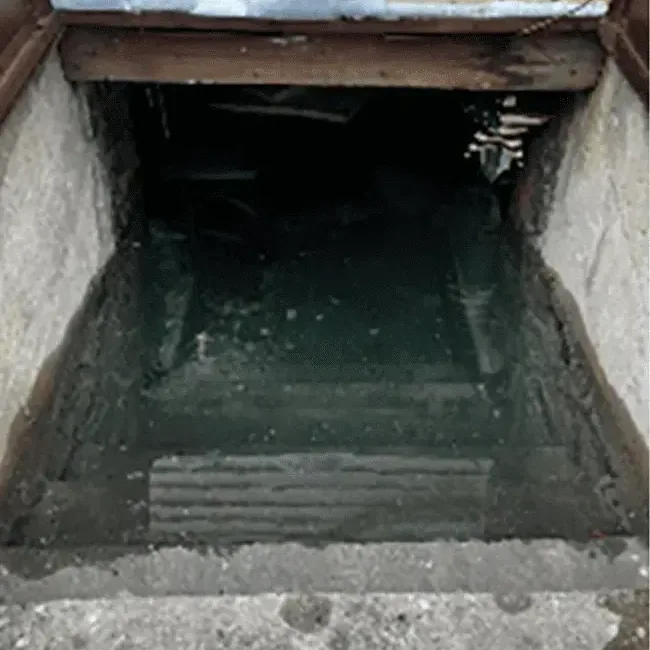 02Flash Flood CleanupRunoff from a monsoon downpour that rose into the house, handled as Category 3 from the first visit.View service
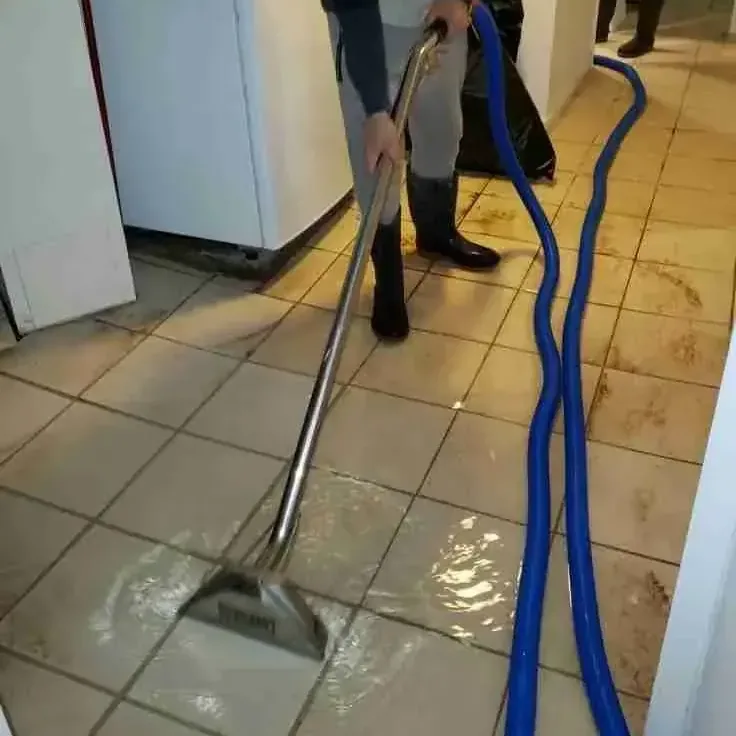 03Water Extraction and RemovalStanding water pulled off tile, carpet and concrete with truck-mounted and portable units before it climbs the walls.View service
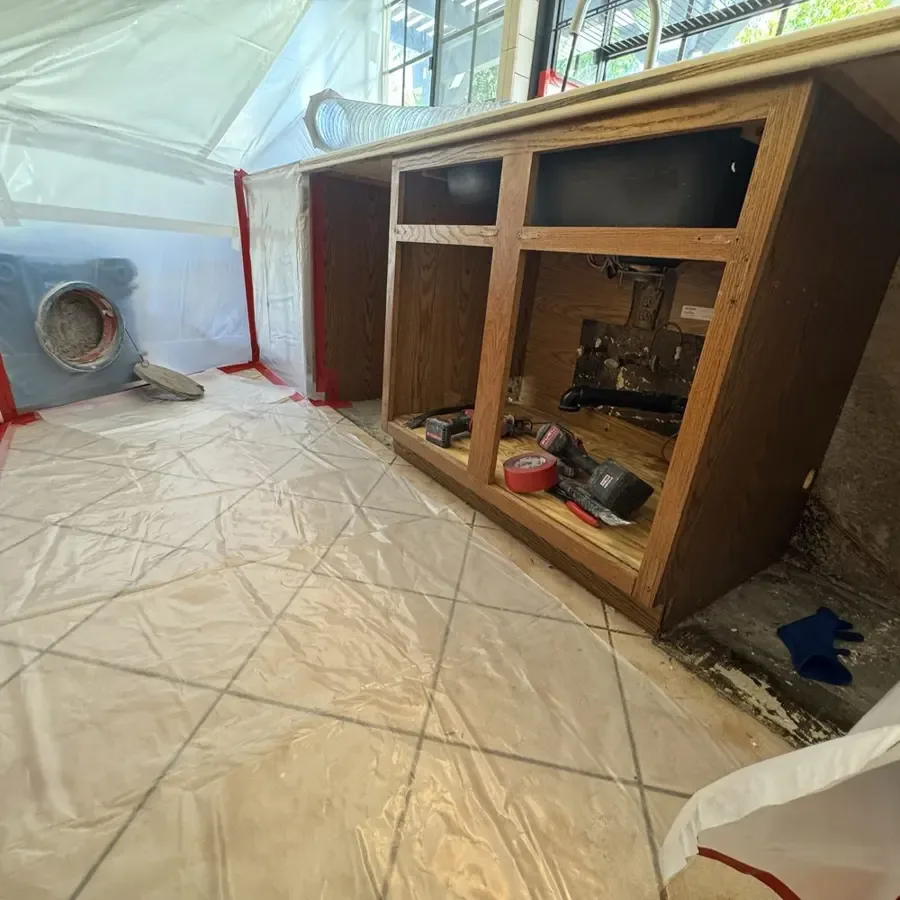 04Slab Leak Water DamageLeaks under a concrete slab traced with meters and thermal imaging, with wet flooring lifted only where needed.View service
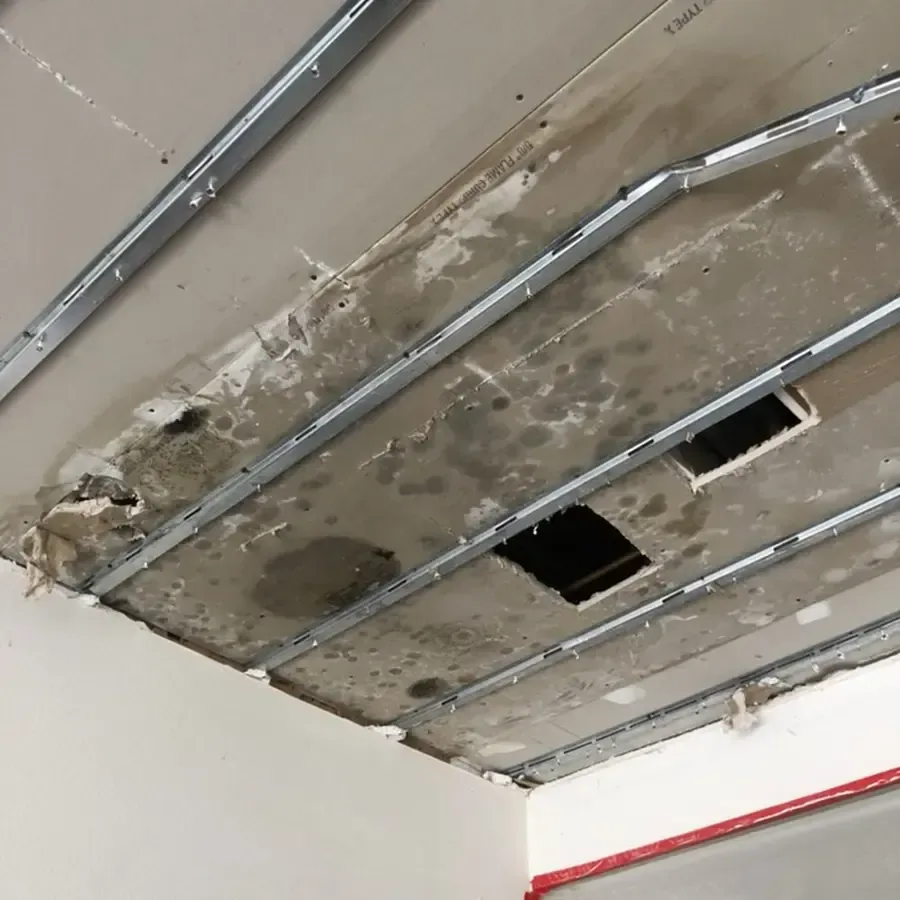 05Roof Leak Water DamageMonsoon downpours that get past roofing after months of dry heat, with wet insulation and ceilings dried.View service
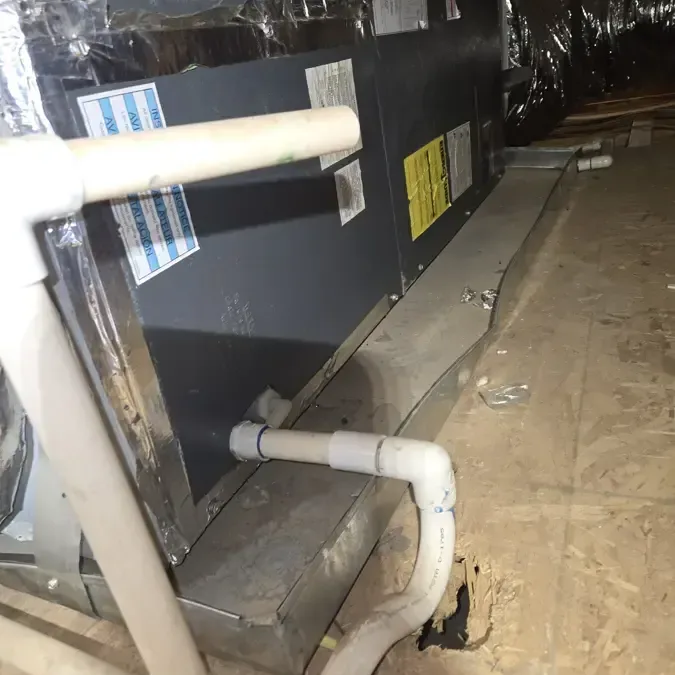 06AC Condensate and Cooler LeaksAir conditioners running hard all summer, with clogged condensate lines and overflowing pans traced and dried out.View service
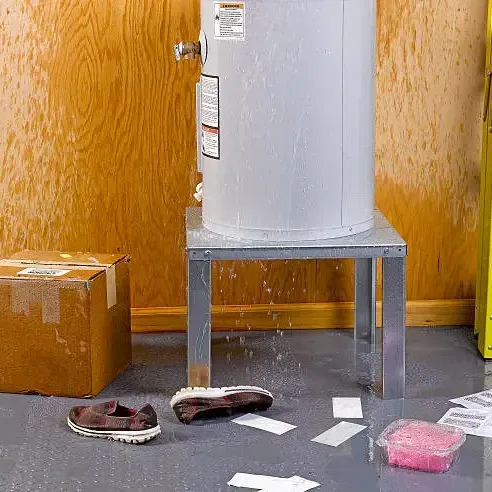 07Water Heater Leak CleanupLeaking tanks and supply valves shut off, the water extracted and the surrounding walls and floors dried.View service
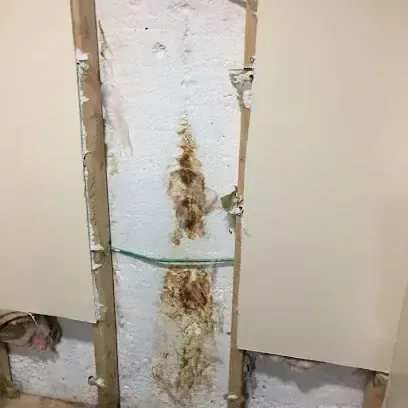 08Burst Pipe Water DamageSupply lines and hose bibs that split on a winter freeze, with the wet walls opened and dried.View service
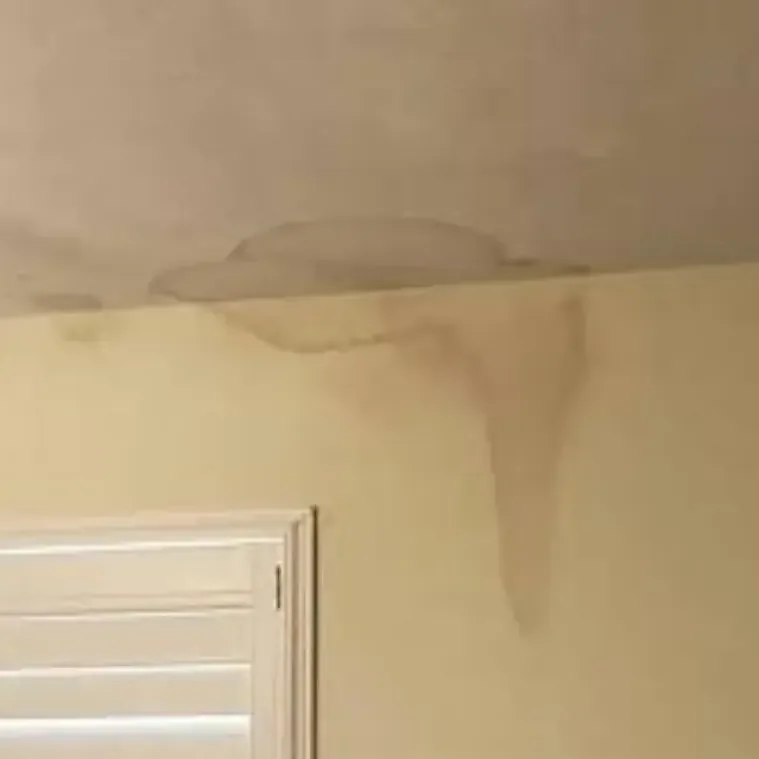 09Ceiling Leak Water DamageStains from plumbing, a monsoon roof leak or AC condensate traced to the source before any drywall comes down.View service
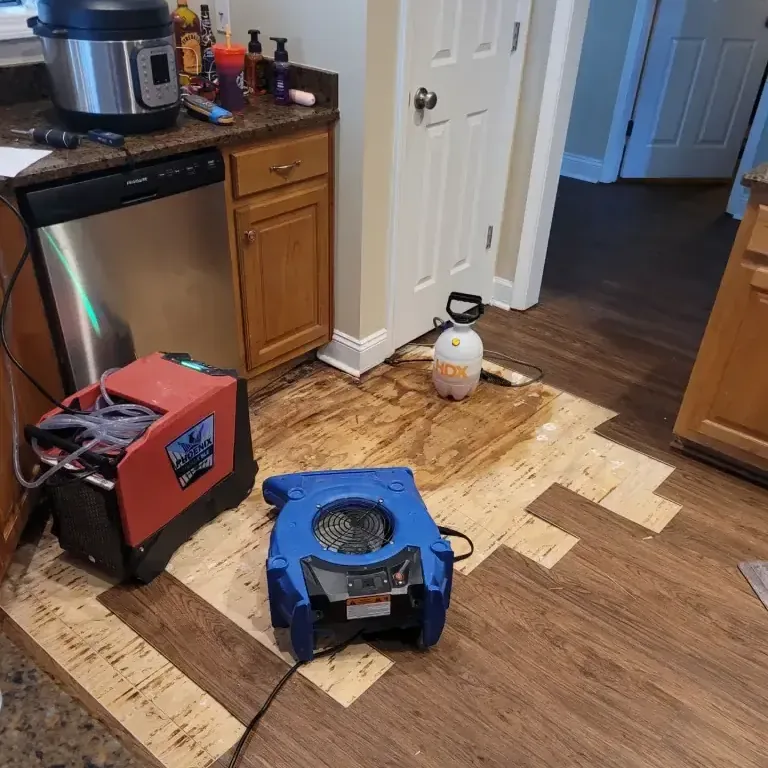 10Appliance and Supply Line LeaksWasher, dishwasher and refrigerator line leaks traced, extracted and dried out of cabinets and floors.View service
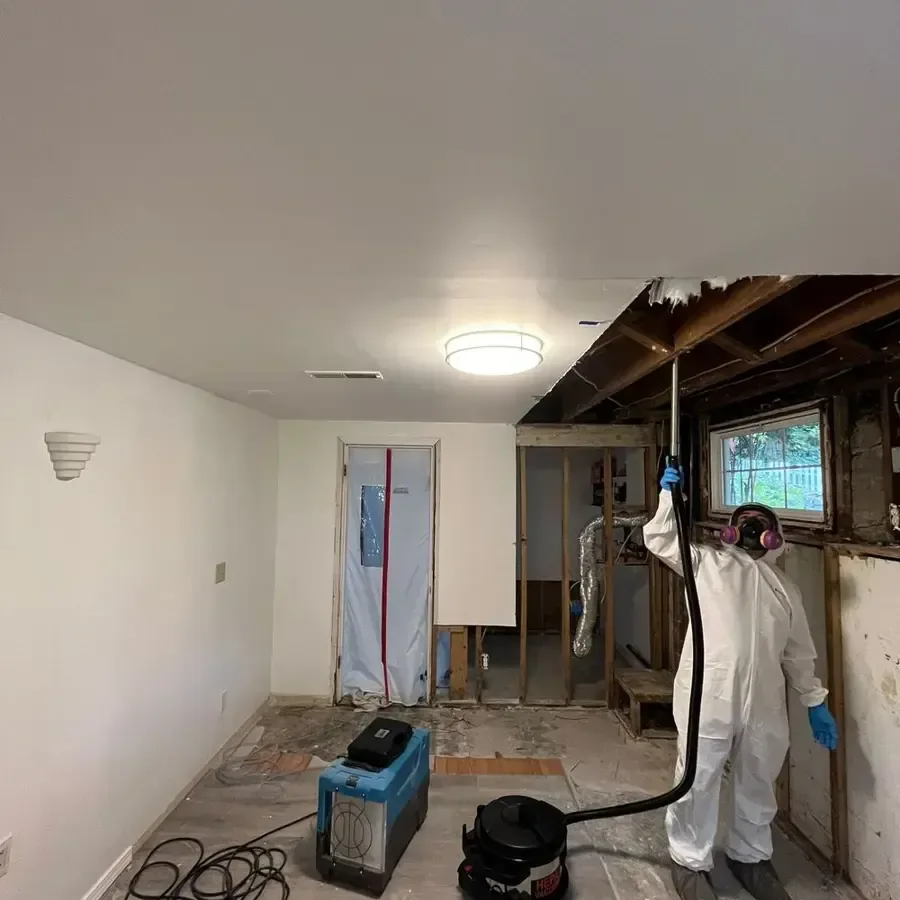 11Sewage Backup CleanupDrain backups handled as Category 3, with porous materials removed and surfaces treated before drying.View service
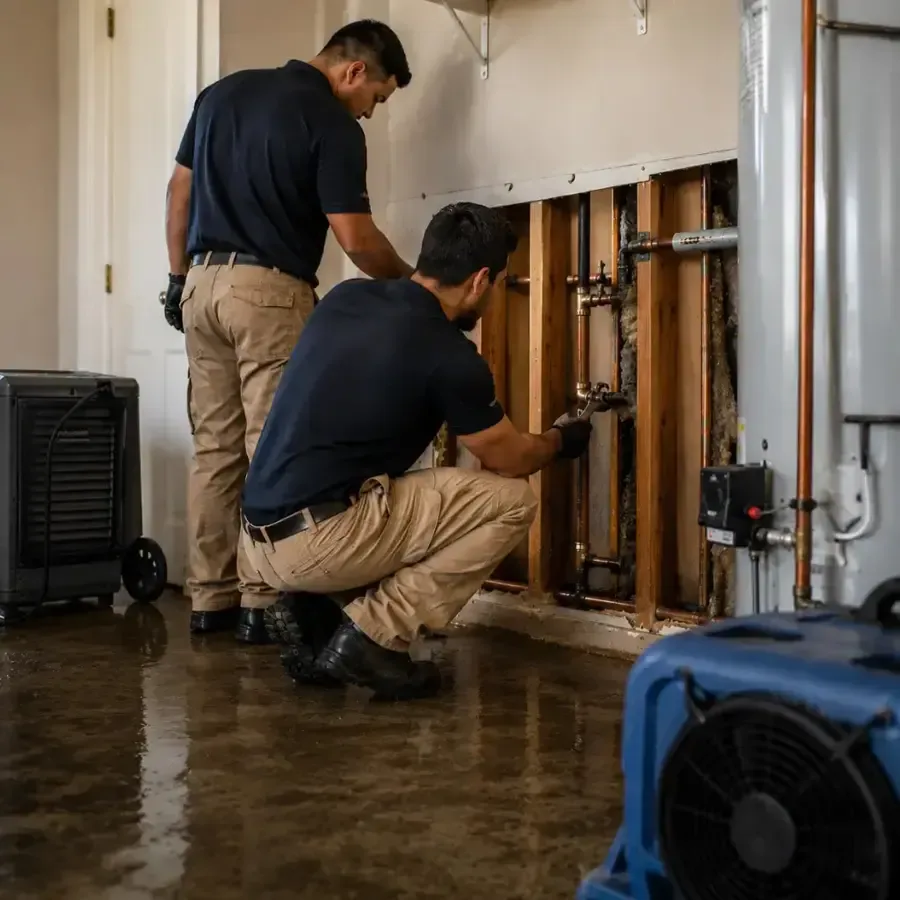 12Structural Drying and DehumidificationFraming, subfloor and walls dried by moisture readings rather than a fixed schedule, to the IICRC S500 standard.View service
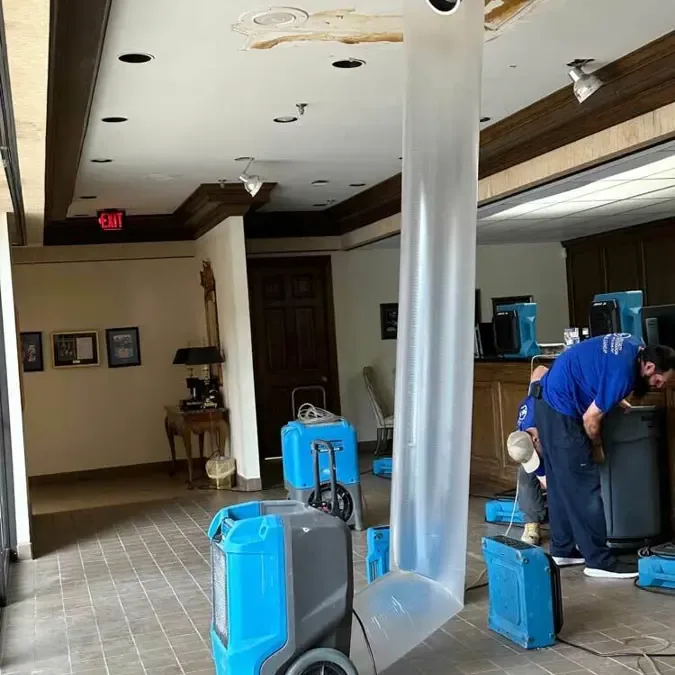 13Commercial Water DamageDowntown mixed-use buildings, industrial space along the rail corridor and farm buildings extracted and dried.View service
The first hour after water appears inside a home
Stop the water
Shut the main or the valve on the leaking fixture, and switch the water heater off when the tank itself is the source of the leak.
Call the City for a drain backup
If drains back up, the City asks residents to call Public Works first, because its crews check the public sewer lines.
Make the room safe
If water is near outlets, cords or appliances, switch that room's breaker off, and keep children and pets out of standing water.
Photograph, then lift
Photograph each wet room and the source first, then carry rugs, electronics and boxes to a dry spot.
Clean, gray and black water need different handling
Category 1: clean water
Water from a supply line, a water heater or a slab leak starts clean, and quick extraction often lets flooring, drywall and cabinets dry in place.
Drying out a slab leakCategory 2: gray water
Washer and dishwasher discharge and AC pan water carry soap, lint and microbes, so the pad usually comes out and surfaces are treated.
Appliance leak drying stepsCategory 3: black water
Drain sewage and monsoon runoff from outside are grossly contaminated, and porous materials they reached are cut out before drying starts.
How a sewage backup is cleanedRestoration built for monsoon storms, summer heat and freezing nights
Dry desert heat makes a wet room look finished long before it is. The drying team measures the framing, the subfloor and the walls instead of trusting how a surface feels.
Around-the-clock dispatch
Calls at night, on weekends and on holidays get the same urgency, since baseboards, drywall and cabinet bases keep drawing water up until it is extracted.
Readings, not a schedule
Moisture meters and thermal imaging map the wet area on the first visit, and daily readings of the framing, subfloor and walls decide when equipment comes out.
Source first
Supply water, sewage from a drain and monsoon runoff each need a different response, so the category of water is set before anything is extracted or removed.
Claim-ready records
Each job builds one file for the adjuster: photos stamped with the time, a moisture map and psychrometric logs from every day of drying.
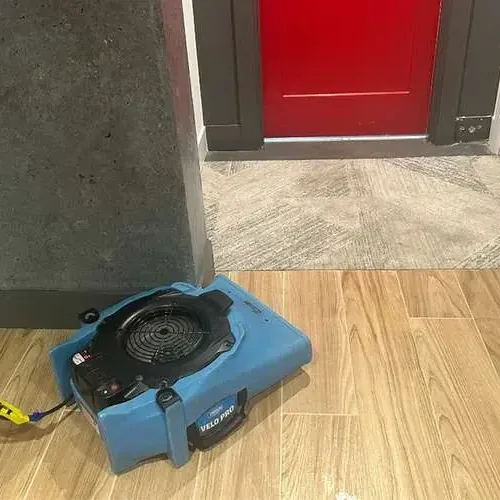
Dried to IICRC S500 and confirmed with daily readings
IICRC S500 is the restoration industry's standard for water damage. It defines the category and class of a loss, how drying equipment is sized and the point at which a structure is dry.
- Inspect. First the crew finds and stops the source, sets the water as Category 1, 2 or 3 and maps each wet material with meters and a thermal camera.
- Extract. Standing water comes off tile, carpet and concrete with truck-mounted and portable units, because pulling water out beats waiting for it to evaporate.
- Dry. LGR dehumidifiers and air movers matched to the class of loss run day and night, inside containment when that speeds things up, even through the summer heat.
- Verify. Every day the readings go in the log, and the equipment leaves only when the framing, subfloor and walls sit within 2 to 4 points of a dry reference.
What does water damage restoration cost in Coolidge, AZ?
A typical water damage restoration job runs $1,500 to $30,000. What moves the number most is the water category, the wet square footage, the material class and how quickly the drying began after the leak.
One room, clean water
- A supply line or tank leak caught early
- Extraction, then drying in place
- Readings logged every day
Several rooms or a slab leak
- Flooring and baseboards lifted where wet
- Wall bottoms and toe kicks opened
- Containment and LGR dehumidifiers
Monsoon runoff or sewage
- Category 3 water from outside or a drain
- Porous materials taken out
- Antimicrobial and longer drying
These are typical figures, not a quote. The real scope comes from a walkthrough with a moisture map; for a closer range first, try the water damage cost calculator.
A file an adjuster can follow
A split supply line counts as sudden and accidental water under most homeowners policies, while monsoon floodwater rising from outside usually does not. The claim file records which one it was.
- Moisture readings mapped room by room on day one
- A log of temperature, humidity and grains per pound for each day
- Photos with time stamps, taken before anything is torn out
- The category and class of the loss, written down
- A scope that lists each task and material by line
Read your own policy
The insurer decides coverage under your own policy; the restoration team does not. Read the water damage and flood sections, and look for any cap on sewer backup.
Standard homeowners policies usually leave out surface water from a monsoon storm, which separate flood insurance covers. Your agent can say which policy would apply.
Water damage restoration across Coolidge and ZIP 85128
ZIP code
From the historic downtown to the newer subdivisions
ZIP 85128 runs from the historic downtown blocks bounded by Arizona Boulevard, Pinkley Avenue, Main Street and Coolidge Avenue out to the newer subdivisions built after 2010.
Dispatch runs 24/7 across the whole ZIP, along State Route 87 and State Route 287 and into the farm and industrial areas around town.
(888) 949-8496Check that a crew reaches your streetDowntown, roads and corridors
Nearby towns
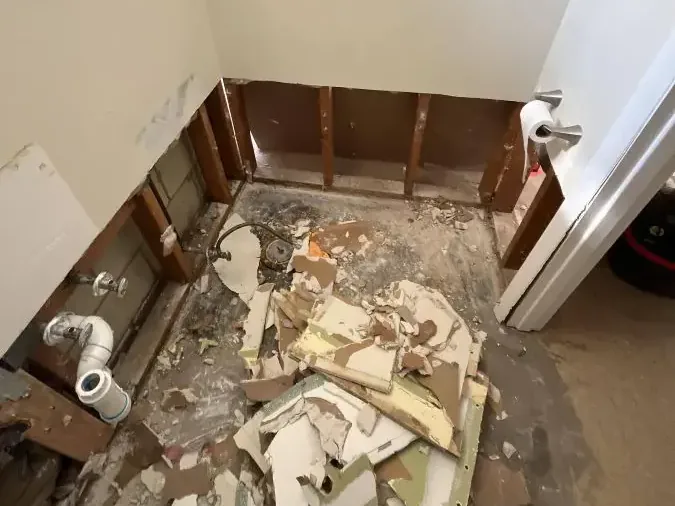
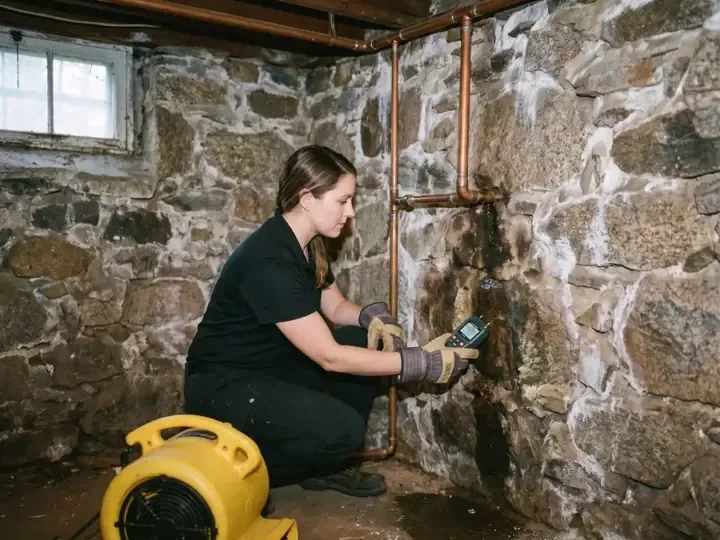
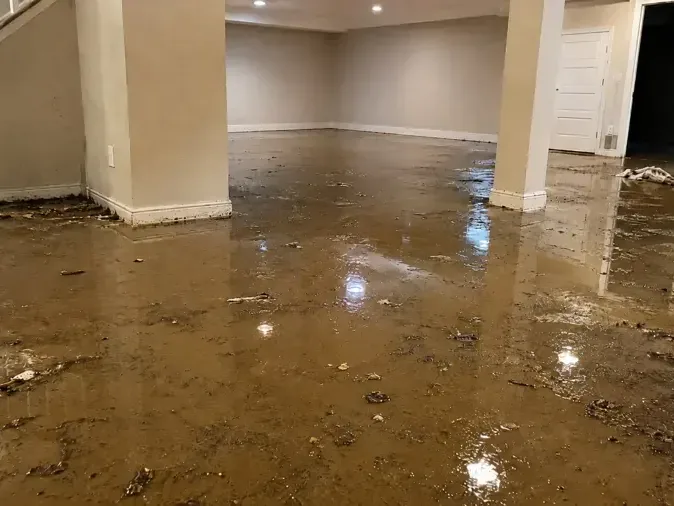
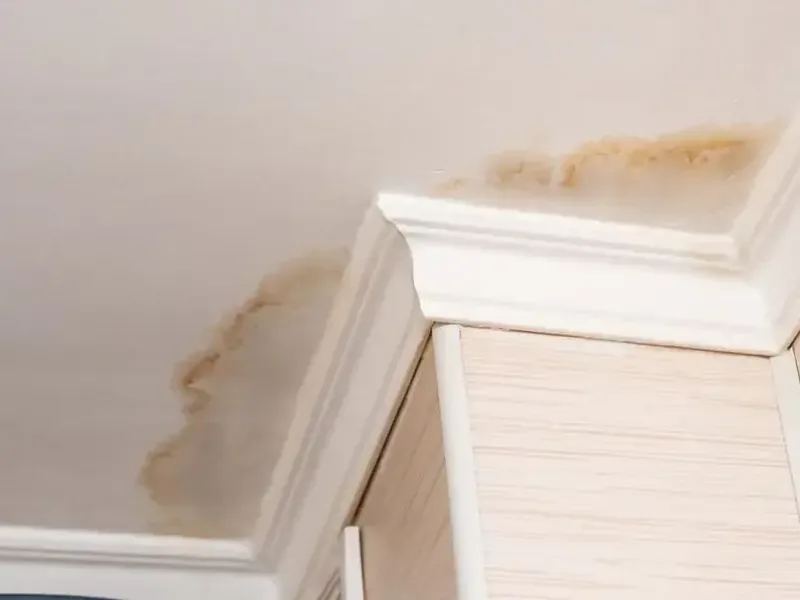
Inside a structural dry-out, from extraction to the final reading
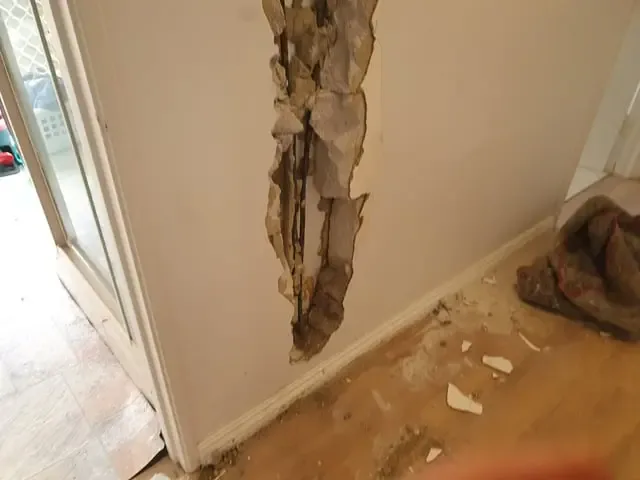
Why water damage here follows the heat and the monsoon
Coolidge sits in a flat, fertile valley just south of the Gila River, with summer highs of 100 to 110 degrees F almost daily. Rain is infrequent, so the monsoon's brief, heavy downpours do the damage.
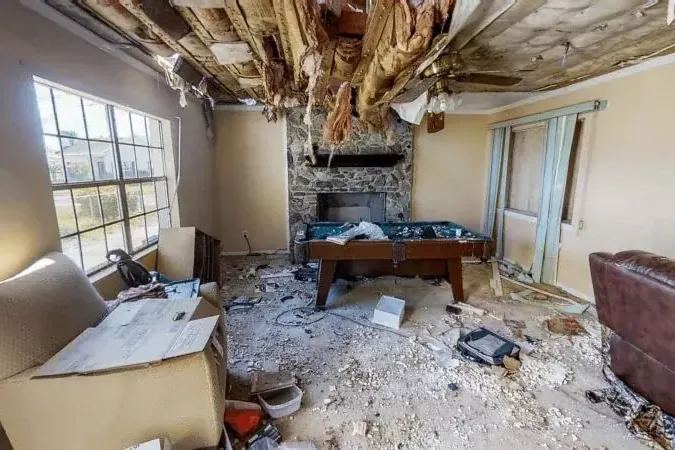
Every monsoon season: In the second half of summer, the North American Monsoon brings brief heavy downpours and gusty winds, and severe storms can raise haboobs and flash flooding.
Monsoon downpours after dry months
Rain falls only two or three days a month for much of the year, so the brief, heavy monsoon storms are what find worn roofing, door sweeps and window frames.
Flash flooding and haboobs
Severe monsoon events can raise dust storms and flash flooding. Arizona's Stupid Motorist law penalizes drivers who go around barricades at flooded roads, so wait for the water to drop.
Air conditioners running all summer
Highs of 100 to 110 degrees F from late May into September keep air conditioners running hard, and a clogged condensate line can soak a ceiling or closet. See AC condensate leaks.
Freezing nights in winter
Several freezes a year, with a record low of 8 degrees F, can split exposed supply lines and outdoor hose bibs.
Drain backups and the City line
The City runs the public sewer and keeps crews on call around the clock, while the homeowner owns the service line from the house to the tap at the City main.
Hidden leaks under the floor
A supply line leaking under a concrete slab can stay hidden until flooring or walls show moisture, so tracing the source comes first. See slab leak water damage.
Water damage restoration questions, answered for Coolidge
Water spreading across the floor right now?
Leave the questions for later. Close the water off if it is safe to reach, then call, and a drying crew walks the household through the next steps.
(888) 949-8496 Send extraction to this addressHow quickly can a crew respond to water damage?
Dispatch never closes, and water that is still spreading is treated as urgent. Arrival depends on the time of day and the part of the area, so the dispatcher gives a realistic window during the call.
Who should be called first when drains back up?
The City asks residents to call Public Works first, since City crews check the public sewer lines and repair faults in them. The homeowner is responsible for the service line from the house to the tap at the City main.
Will homeowners insurance pay for water damage?
A failed water heater or a split supply line is sudden and accidental water, which many policies cover. Monsoon floodwater rising from outside usually falls under separate flood insurance. Coverage depends on your policy, so check with your own insurer.
Can pipes really freeze in this part of the desert?
Yes. The area sees several freezes each year, with a record low of 8 degrees F. Exposed supply lines and outdoor hose bibs are the usual casualties, so wrap them before a cold night.
How long does structural drying take?
Drying time depends on the class of loss, the materials and how fast extraction started. The equipment stays until readings show the framing, subfloor and walls sit within 2 to 4 points of a dry reference, not until a set date.
What does IICRC S500 mean?
It is the written standard the restoration industry uses for professional water damage work, covering how the water category and class of loss are set, how much drying equipment a job needs and how dryness is proven with readings.
When does wet drywall get cut out?
Drywall soaked by clean water can often stay if extraction happens fast. It gets cut out once it is wet high up the wall, soft and crumbling, or reached by Category 3 water like sewage or monsoon runoff.
Why does a sewage backup get different handling?
Sewage counts as Category 3 the moment it appears. The crew suits up in protective gear, cuts out porous materials it touched above the waterline, applies an EPA-registered antimicrobial for its full dwell time and only then dries the structure.
How is a water damage restoration bill put together?
Four things drive most of it: the category of water, the wet square footage, the material class and how soon drying began. Each task appears on a line-item scope, and the cost calculator shows a typical range before anyone visits.
Why does a drain smell like sewer in summer?
In the hot months, drains that are rarely used can dry out and let sewer smell escape through the empty trap. Running water down the drain refills the trap and seals it again.
Water in the house tonight? Get a drying crew there before it spreads.
Extraction, drying to a verified reading and a file ready for the claim, 24/7 across ZIP 85128 and nearby towns.
(888) 949-8496Roll a crew to the house now