Water Damage Restoration Apache Junction, AZ
A monsoon downpour, a supply hose that splits behind a cabinet or an air conditioner drain that backs up in July heat all call for the same first move: stop the water, then dry every layer.
(888) 949-8496Start pulling water out of the houseActive water is urgent day or night, from streets near the Apache Trail to the master-planned community of Radiance.
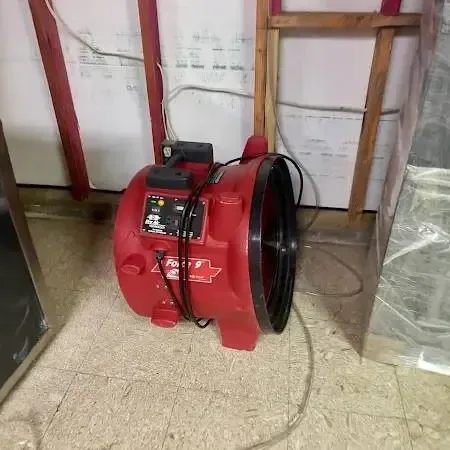
Water damage services for homes and businesses
Every service below starts with finding where the water came from, then removing it and drying the structure to measured targets, from desert storm runoff to a split pipe inside a wall.
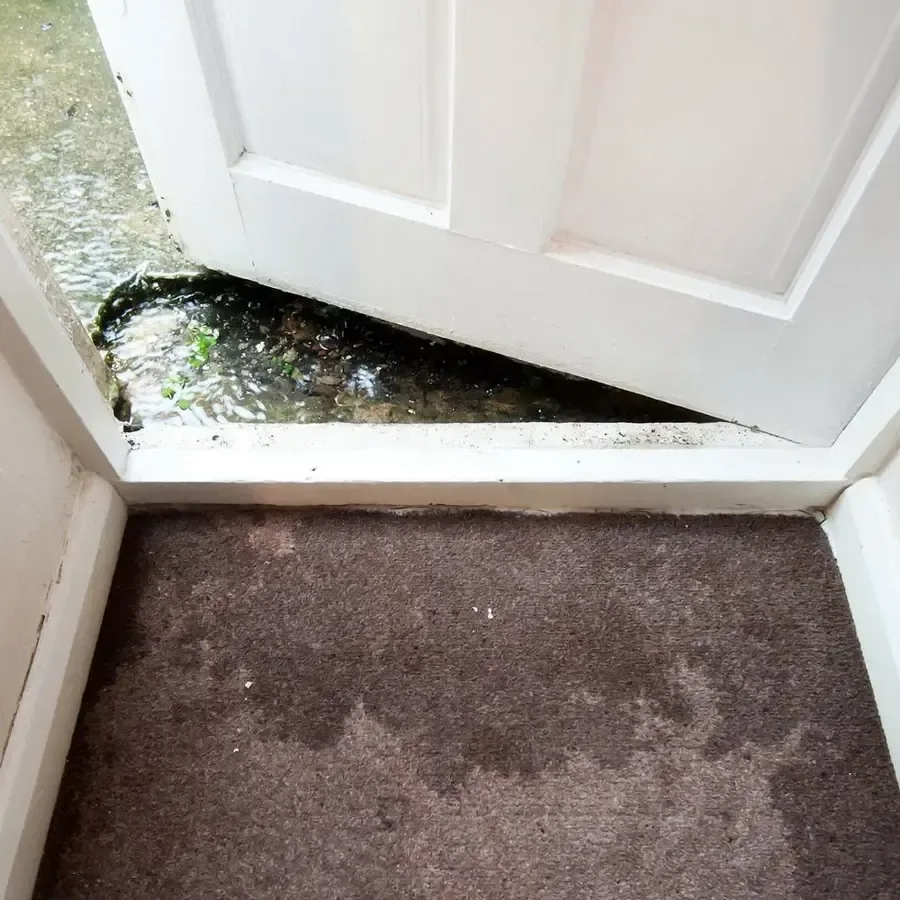 01Monsoon Storm Water DamageMonsoon rain pushed under doors and sliders is removed fast, then carpet, pad and wall bottoms are dried.View service
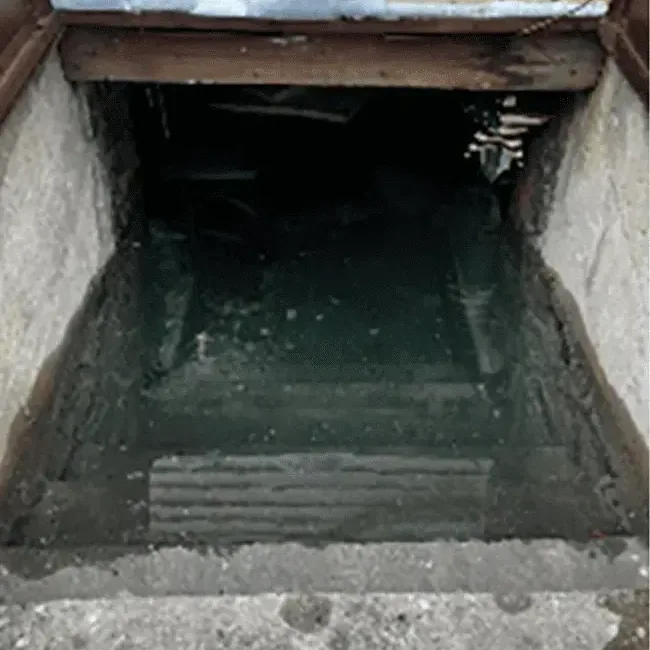 02Flash Flood CleanupRunoff in a garage or living area is pumped out and silt cleared before wet materials are sorted for drying.View service
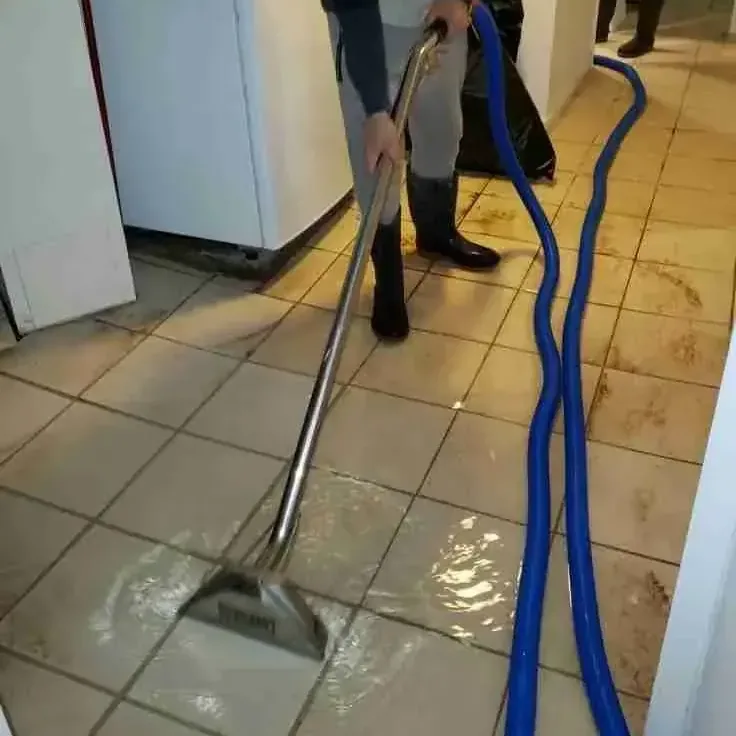 03Water Extraction and RemovalPumps and extraction wands pull standing water from tile, carpet and subfloors before moisture settles in.View service
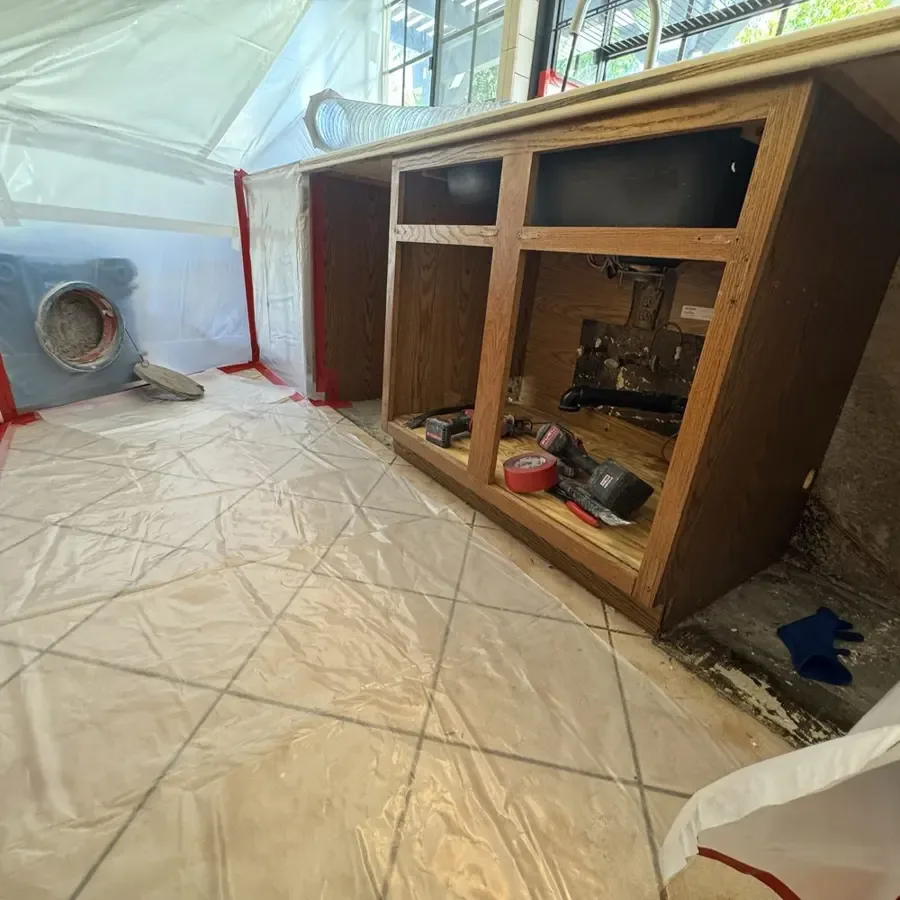 04Slab Leak Water DamageA supply pipe leaking under the floor is traced with thermal imaging, then the concrete is dried.View service
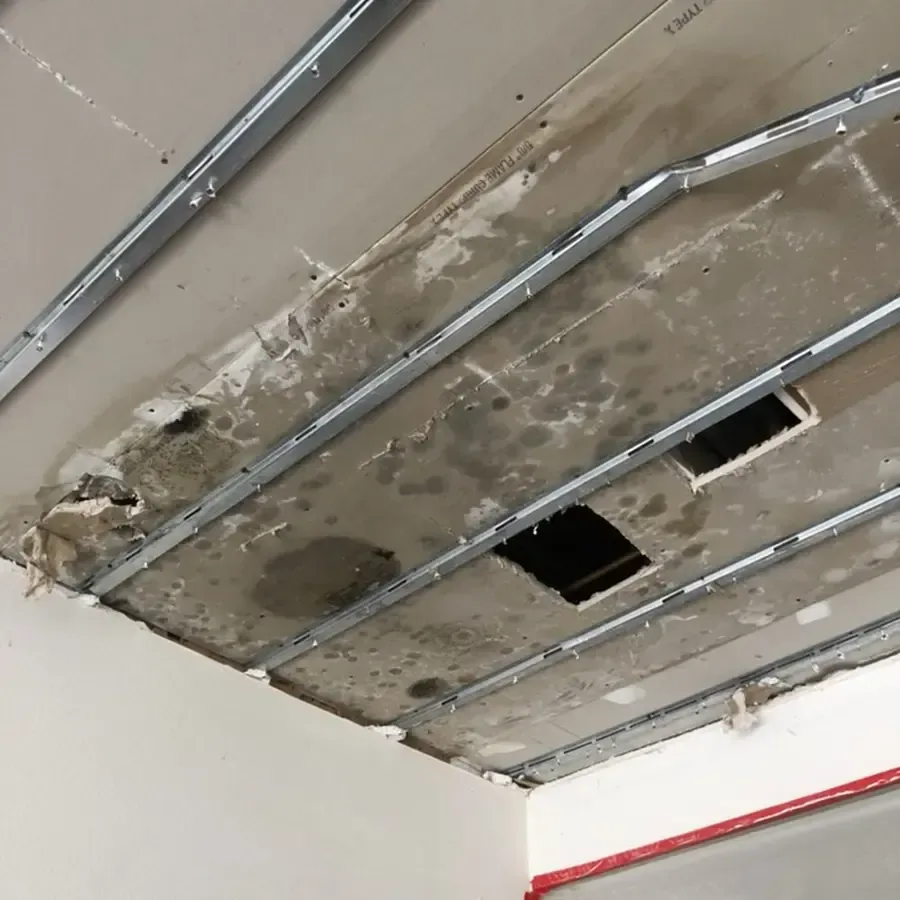 05Roof Leak Water DamageRain through a roof soaks insulation and ceilings, so wet drywall comes out and the framing is dried.View service
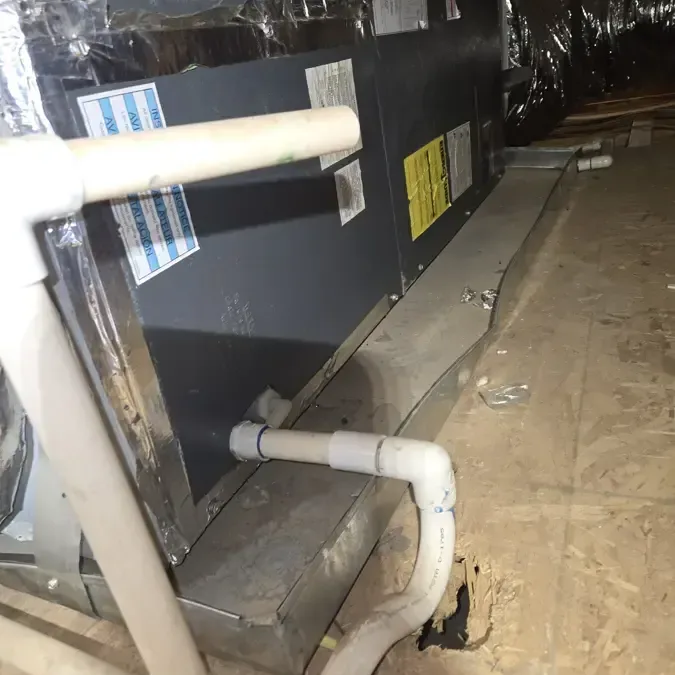 06AC Condensate and Cooler LeaksA clogged condensate drain or full pan spills into ceilings and closets, and the wet spots are dried.View service
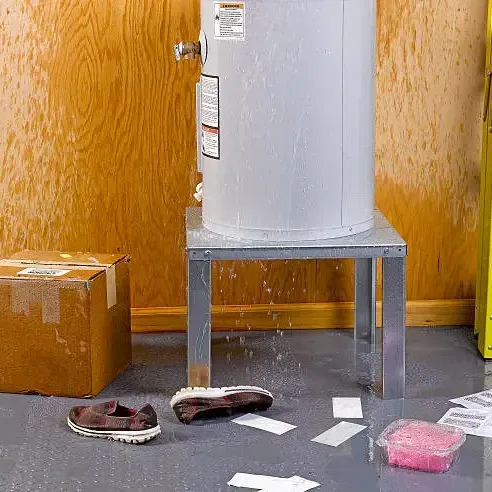 07Water Heater Leak CleanupA failed tank empties fast, so water is pulled from the garage or closet before walls soak it up.View service
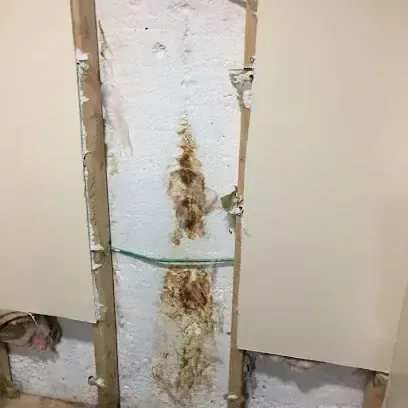 08Burst Pipe Water DamageAfter a pipe splits, the wet wall or ceiling is opened and dried and flooring is checked for moisture.View service
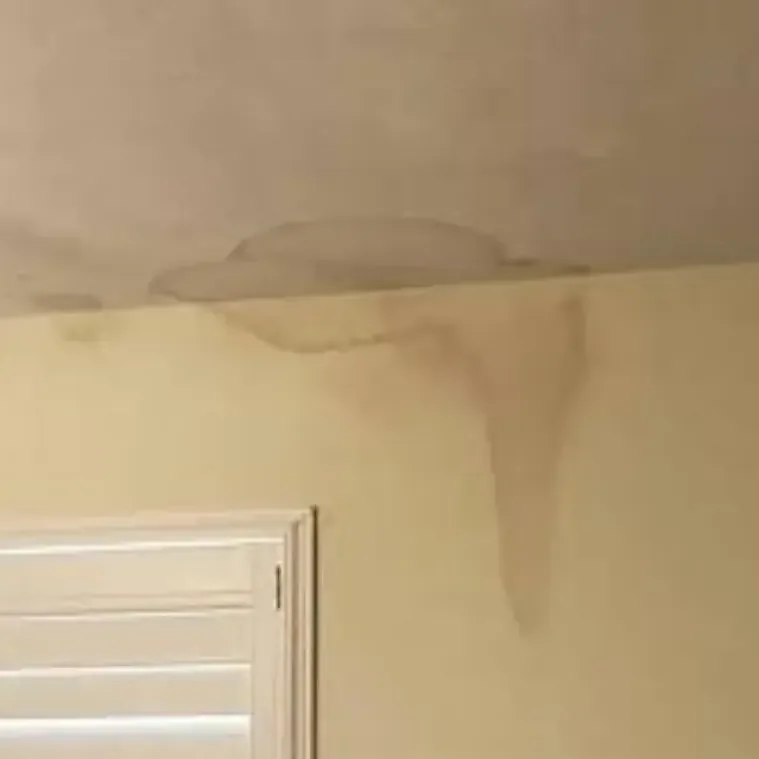 09Ceiling Leak Water DamageA stain overhead is traced to the roof, a bathroom or an air handler, then wet drywall is removed.View service
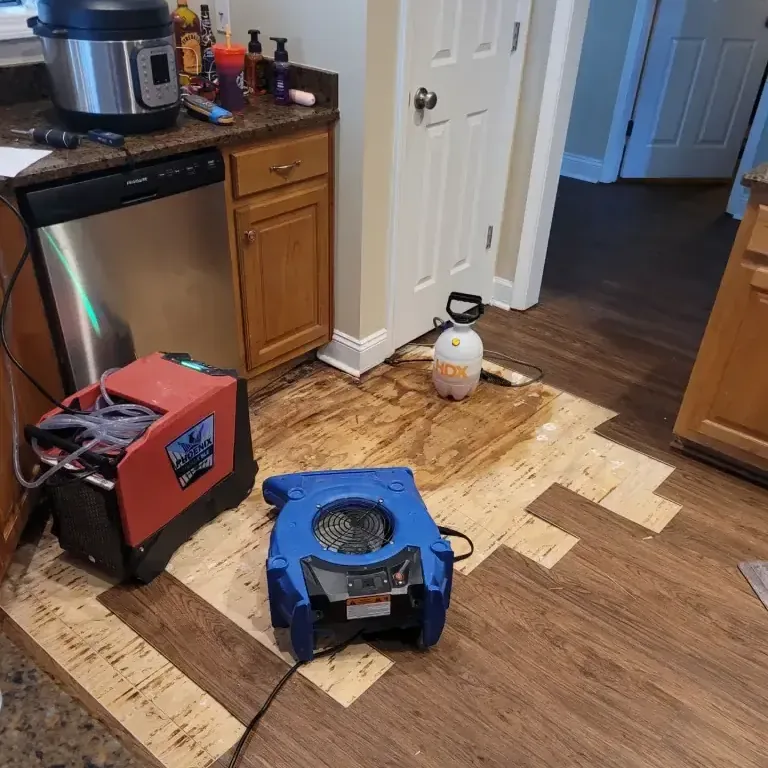 10Appliance and Supply Line LeaksSlow leaks behind washers and dishwashers are located, and wet cabinet bases and floors are opened and dried.View service
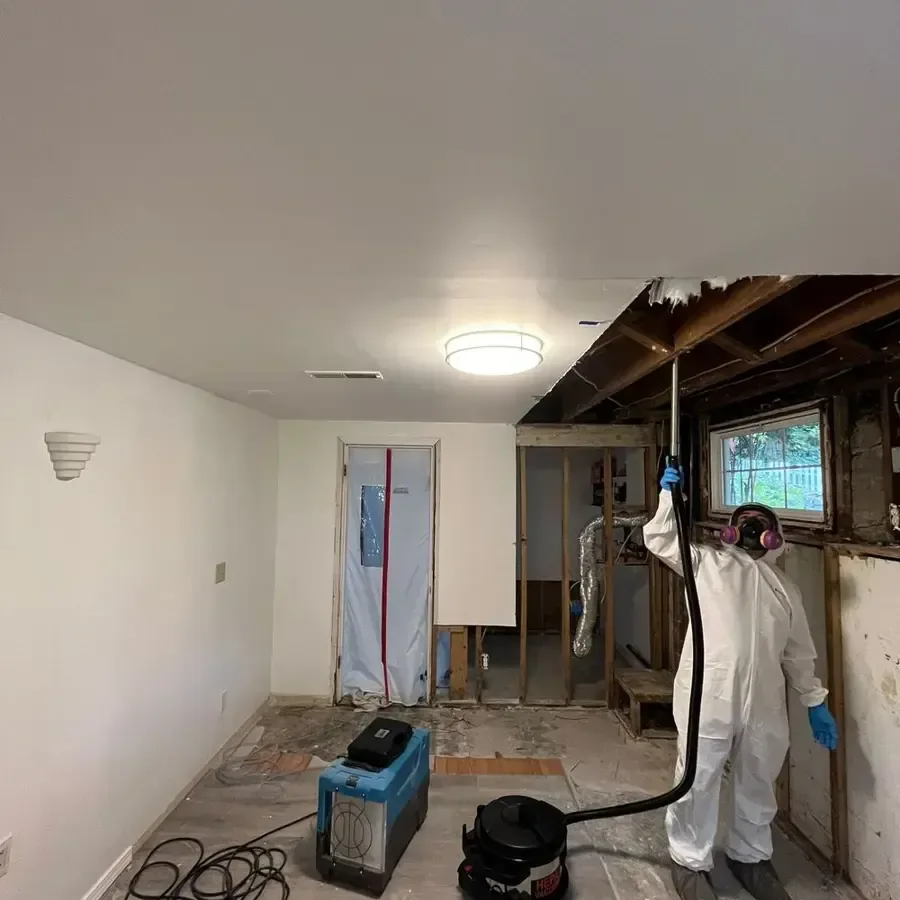 11Sewage Backup CleanupSewage is contained and removed, and affected surfaces are cleaned and disinfected by crews in protective gear.View service
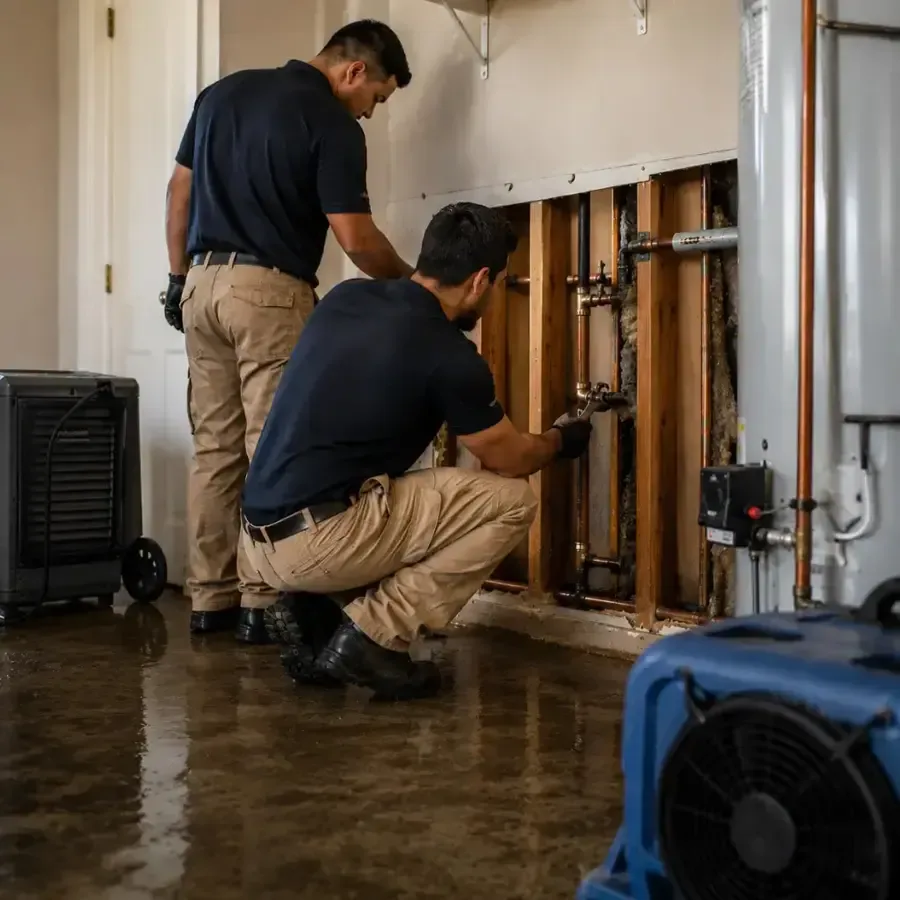 12Structural Drying and DehumidificationAir movers and dehumidifiers dry walls, subfloors and concrete until moisture readings match the dry standard.View service
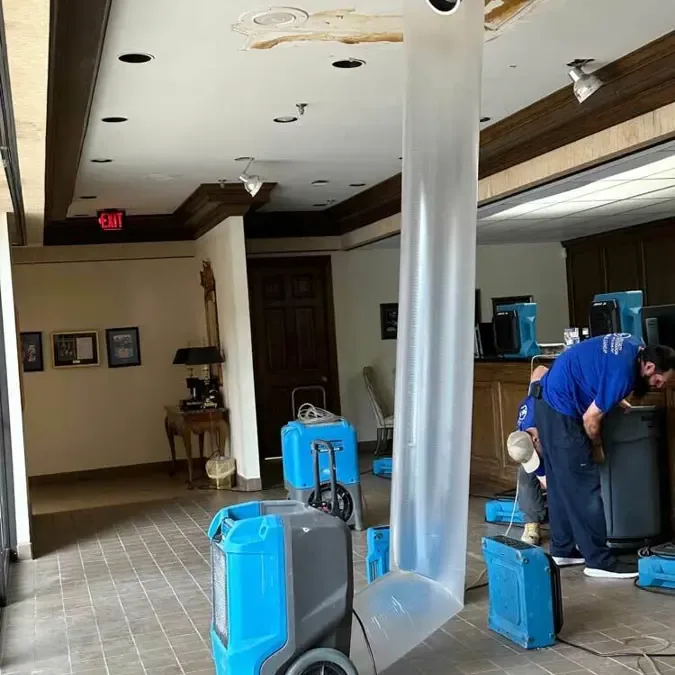 13Commercial Water DamageOffices and suites get documented moisture readings and a drying plan that works around business downtime.View service
What to do right after water gets into the house
Stop the source
If a pipe, tank or hose is spraying, shut the water off at the main valve or the fixture, and stay clear of wet outlets and cords.
Cut power if wet
Switch off breakers serving soaked rooms only when the panel is dry and reachable, and never step through standing water to do it.
Lift valuables out
Small furniture, rugs and electronics go onto dry ground, and photos of the damage are taken before anything is thrown out.
Call for extraction
A call at any hour starts extraction and drying, so wet drywall and flooring are handled before the damage spreads.
Three kinds of water loss behind most calls
Hidden slab leaks
A supply pipe leaking under the concrete can run for weeks, warming floors and lifting flooring before a stain ever shows.
Slab leak damage and dryingAppliance and supply leaks
A washer hose or dishwasher fitting can seep behind a cabinet for a long time, especially in a house left empty for stretches.
Appliance leak cleanupSewage backups
Wastewater in a tub or floor drain is a health risk, so it is contained and removed before any drying begins.
Sewage backup cleanupWater damage work built around the desert climate
Short, hard summer storms and long stretches of heat mean water damage here arrives fast and dries unevenly, so the work is planned around measured readings, not guesses.
Source first
Every job begins by finding what is feeding the water, whether runoff, a roof, an air handler drain or a failed fixture, so the damage does not restart.
Measured drying
Moisture meters and thermal imaging steer the equipment, and readings are logged each visit so drying stops when the materials are actually dry.
Clear records
Photos, readings and a written scope of work document the loss for an adjuster from the first visit to the last.
Any hour
Water does not wait for business hours, so dispatch runs around the clock, including weekends, holidays and storm nights.
A written drying standard behind every job
Crews follow the IICRC S500 water damage standard, which governs how wet materials are classified, how drying equipment is placed and when a structure can be called dry before the job closes.
- Inspect. Moisture meters, thermal imaging and a visual check map how far the water went, including behind baseboards and under flooring.
- Extract. Pumps and wands remove standing water first, because every gallon left behind has to be evaporated later by the equipment.
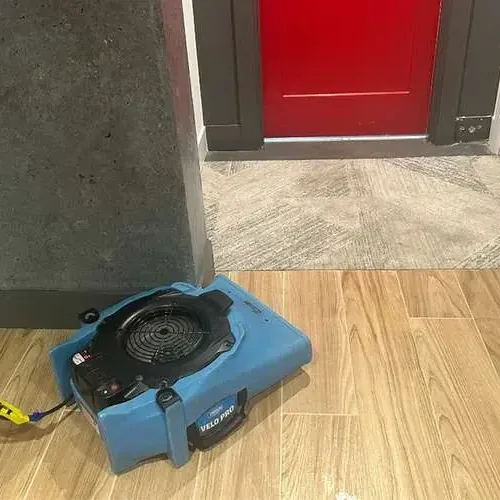
- Dry. Air movers push dry air across wet surfaces while dehumidifiers pull the moisture out of the room, and wet materials that cannot recover are cut out.
- Verify. Daily readings are compared with a dry reference, and the equipment stays until each wall, subfloor and slab reads at its target.
What water damage restoration usually costs here
Most jobs in Apache Junction fall between $1,500 and $30,000, depending on how far the water traveled, how long it sat, which materials got wet and whether sewage or concrete is involved, and the final scope follows a moisture inspection.
Contained leak
- One room dried with air movers and a dehumidifier
- Small section of wet drywall cut out
- Flooring dried in place when possible
Several rooms affected
- Water reached carpet, pad and walls
- Dehumidifiers running for several full days
- Baseboards and wet drywall removed
Major or long-running loss
- Flooding through most of the home
- Concrete, hardwood or sewage involved
- Longer drying with daily moisture readings
Ranges are typical for the area and are not quotes; the real number comes from moisture readings and a written scope, and an insurance policy may cover part of it.
Documentation that supports a claim
A claim goes smoother when the loss is documented from the first visit, so photos, moisture maps and equipment logs are kept for every job.
- Date, time and source of the water when known
- Photos of every wet room, wall and damaged item
- Moisture readings and thermal images from each visit
- Equipment placed and the days it ran
- Itemized scope of the materials removed and replaced
What homeowners can document
Before cleanup starts, photograph the standing water, ceiling or wall stains and wet belongings, and keep damaged items until an adjuster has seen them.
Policies differ on sudden leaks, gradual seepage and flooding from outside, so the policy language and the insurer decide what is covered, not the restoration crew.
Water damage restoration across Apache Junction, AZ
ZIP codes
From the Superstition Mountains to the southern communities
The service area covers the city from the Superstition Mountains on the east side to the master-planned communities of Radiance and Blossom Rock in the south.
ZIP codes 85117, 85119 and 85120 are covered, along U.S. Route 60 and State Route 88, with dispatch running around the clock for homes and businesses.
(888) 949-8496Confirm coverage for your streetRoads, landmarks and communities
Nearby towns
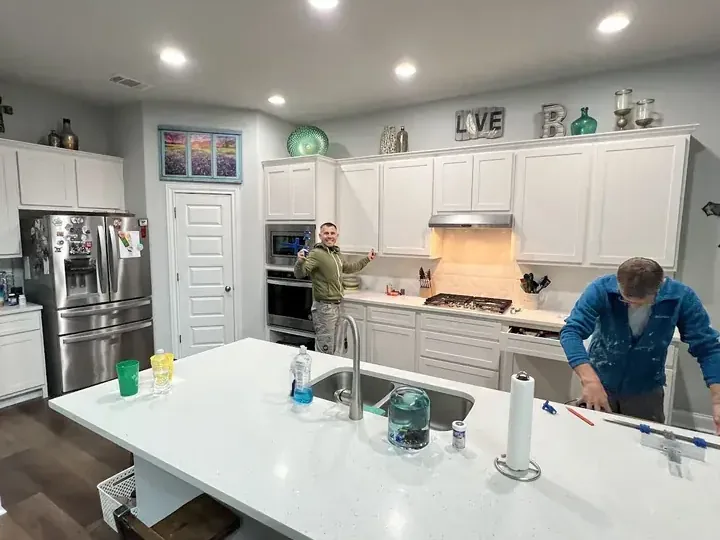
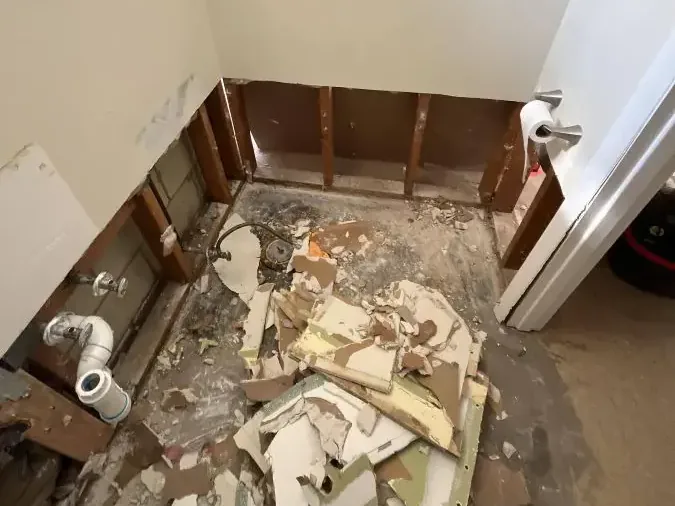
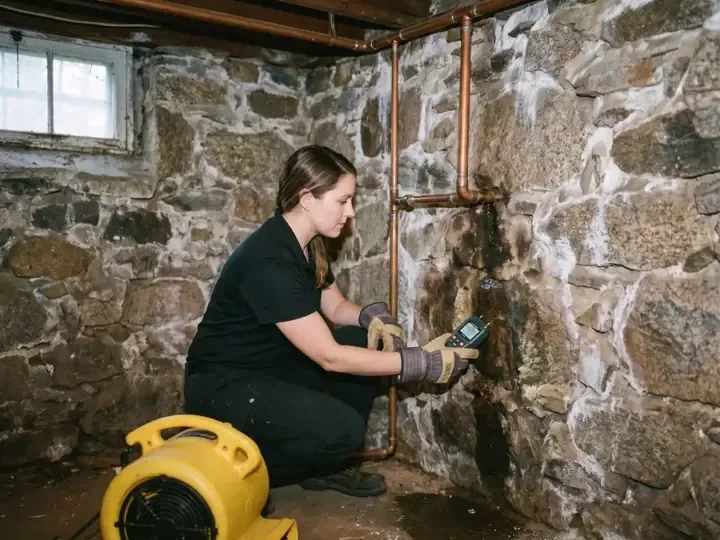
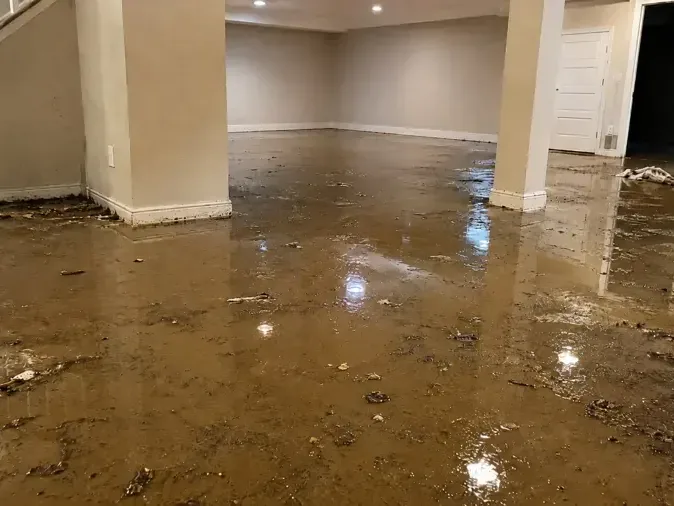
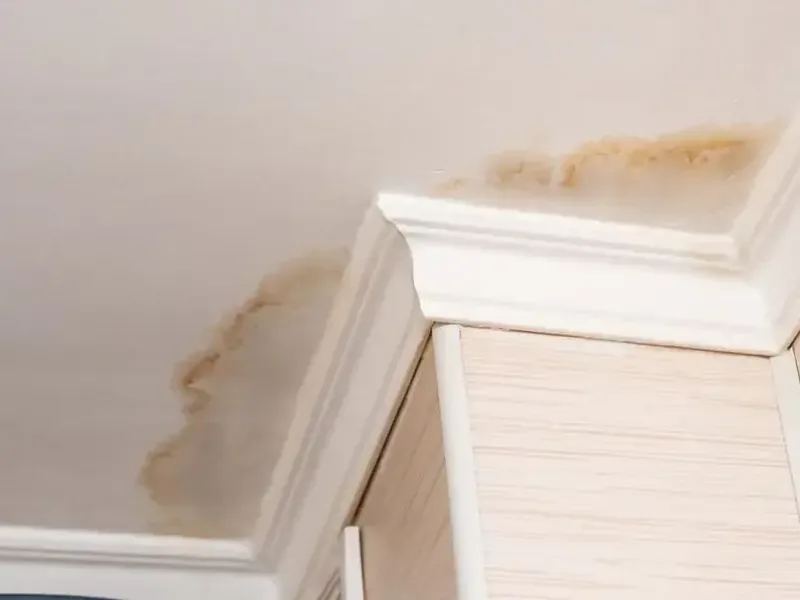
Photos of the drying and cleanup work in progress
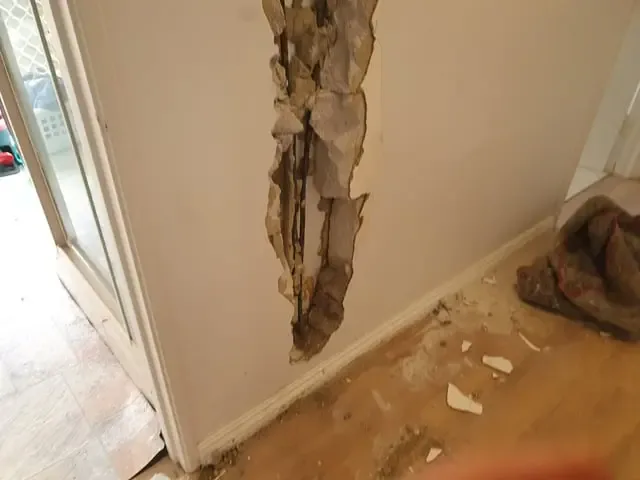
What puts local homes at risk of water damage
Apache Junction sits in the Sonoran Desert with an average of 12.55 inches of rain a year, but summer storms come in short, heavy bursts, and the city says washes carry runoff and debris down from the Superstition Mountains.
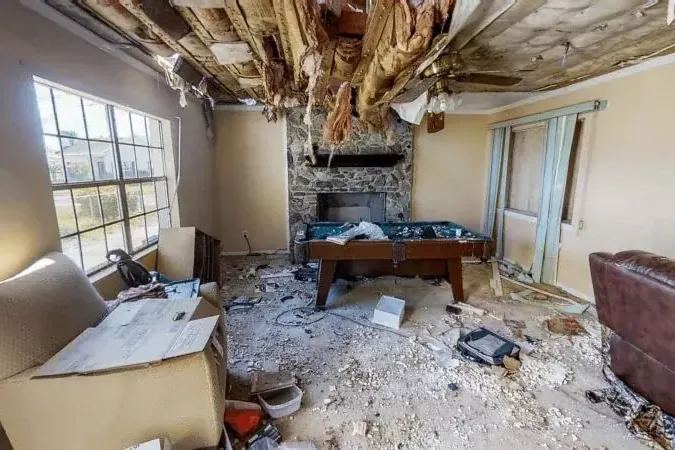
September 23, 2019: Overnight and early-morning rain flooded the city and forced more than 20 road closures, with the city's gauges recording three inches of rain in six hours.
Short, hard monsoon bursts
July and August average 1.37 and 1.50 inches of rain, and August has the most rainy days at 5.6, so storm water can surge under doors and through sliders.
Washes and runoff
The city says runoff moves through gutters, culverts and open channels to retention basins and washes, and a new 12-acre detention basin at Central Arizona College has been announced.
Long hot exposure for roofs
Average daily highs of 103.0 F in June, 105.2 F in July and 103.8 F in August bake roofing for months, so a downpour finds every weak spot.
Air conditioners working hard
With temperatures that have hit 119 F, systems run for long stretches, and a clogged condensate drain or full pan can overflow into ceilings and closets.
Empty homes and hidden leaks
At the 2020 census 23.0% of housing units were vacant, and a leak in an empty home can run unseen for days before anyone notices.
Rare but real freezes
A record low of 17 F on January 14, 2007 and winter lows near 28.6 to 31.0 F mean a pipe can split on the few nights that dip below freezing.
Common water damage questions
Water actively spreading right now?
Standing or flowing water is the priority. A call at any hour gets extraction and drying started before the floors, walls and ceilings soak it up.
(888) 949-8496 Talk to a drying crew nowHow fast does water damage spread in a home here?
Water soaks into drywall, carpet pad and framing quickly, which is why extraction and drying should start as soon as the source is stopped, because mold can start growing in the 24 to 48 hour window.
What should happen first after a monsoon storm?
Stay away from outlets and standing water, photograph the damage and call for extraction. Runoff from outside can carry silt and debris, so cleanup is more involved than a roof leak and more materials may need to come out.
How can a slab leak be spotted?
Warm spots on the floor, a water meter that keeps turning with everything off, damp baseboards or the sound of running water point to a supply leak under the slab, and a plumber confirms it.
Is a ceiling stain from the roof or the plumbing?
A stain after a storm often points to the roof, while one beneath a bathroom or air handler points to plumbing or an AC drain. Tracing the source decides what gets repaired and dried.
What does restoration cost for a typical leak?
Small contained leaks often run in the low thousands, while whole-floor or long-running losses climb much higher. Hardwood, concrete and sewage push a job toward the upper end. A moisture inspection sets the scope before any number is firm.
Is sewage backup handled differently?
Yes. Sewage backup is treated as a health hazard, so the area is contained, protective gear is worn, and affected porous materials such as carpet and drywall are removed and disinfected before drying starts.
Who collects sewage for properties here?
Superstition Mountains Community Facilities District No. 1 collects and treats sewage for properties inside its boundaries, separate from the city. Cleanup inside a building is a different job and needs containment and disinfection.
How long does structural drying take?
Drying time depends on materials and how much water got in, but equipment usually runs for several days, and the job ends only when readings match the dry standard. Dense materials such as concrete take longer than drywall.
Does the dry climate keep hidden moisture away?
Not inside a structure. With 12.55 inches of rain a year the air is dry, but water trapped in wall cavities and under subfloors stays put until it is measured and dried. Surface drying can hide wet framing.
Does a business need a different drying plan?
Commercial losses need documented moisture readings, a plan that limits downtime and care around tenants and equipment. Central Arizona College and new industrial construction show the mix of institutional and industrial space here.
Water spreading through the house? Get the drying started
A call at any hour starts the extraction and drying that limit how much has to be torn out.
(888) 949-8496Request a drying crew now