Water Extraction in Coolidge, AZ
Supply water, sewage and monsoon runoff each call for a different response, so the crew identifies the source before the extractors start. Then the water comes out and the drying plan follows from what the meters show.
(888) 949-8496Get standing water removed now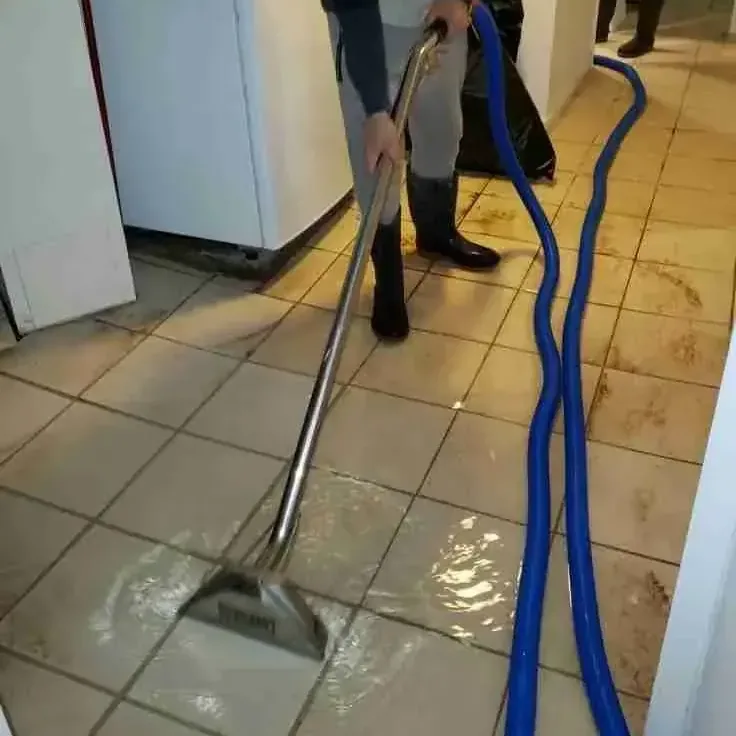
What to do right now about water extraction and removal
Standing water on the floor and no idea where it came from? Describe it and the source gets sorted out.
(888) 949-8496Find the source and start pumping- Find the water's source. Check for a running pipe, a backed up drain or rain that came in.
- Stop the flow. Close the main valve on a leaking pipe and avoid draining anything that backs up.
- Keep out of dark water. Sewage and storm water call for protective gear, so skip wading in.
- Call for extraction. Describe the water's color and smell so the crew arrives with the right gear.
What does water extraction and removal cost in Coolidge, AZ?
Water extraction typically costs $500 to $14,000, depending on whether it is a small area, a room or two, or a large spread. Contaminated water adds protective steps, disinfecting and more time on site.
Small area
- One wet spot extracted
- Quick moisture check
- Local drying
Room or two
- Wands and truck unit
- Pad lifted if soaked
- Drying plan set
Large spread
- Several rooms extracted
- Contamination handling
- Daily readings
Ranges are typical, not a quote. The category of water, the square footage, the material class and how fast drying started move the total most. Try the water damage cost calculator for a closer range.
How water extraction and removal is handled in Coolidge
Classify
Supply, sewage or runoff is decided first.
Extract
Wands, pumps and truck units remove the water.
Meter
Pad, wall bottoms and subfloor are read for moisture.
Plan drying
Equipment is placed where the readings stay high.
Understanding water extraction and removal
Extraction is the first physical step, but it is not the first decision. A broken supply pipe sends clean water, a failed drain sends sewage and a monsoon downpour sends runoff, and the safe response for each is different. In Coolidge, that sorting happens before a single hose is run.
Three water sources, three plans
- Clean supply water from a pipe, tank or appliance can often be dried in place.
- Sewage from a backed up drain calls for containment, protective gear and disinfecting.
- Monsoon runoff is treated as contaminated because it crossed outdoor ground.
- Unknown sources are handled as the more serious type until the trace says otherwise.
The full contamination routine is on the sewage backup cleanup page.
How standing water comes out
Truck mounted extractors handle large areas, portable units reach rooms the hoses cannot, and extraction wands pull water from carpet and pad. On hard floors the wand works across the surface, then low spots and floor edges are checked again for pooled water left behind.
After the water is gone
Removing the visible water is only the start. Meters check carpet pad, the bottom of walls and the subfloor, because water that soaked in keeps feeding the damage. Those readings decide where air movers and dehumidifiers go next, as laid out on the structural drying page.
Why the source trace matters
If the water came from a leaking pipe, the supply gets shut off and repaired. If it came from sewage, the City checks its own sewer pipes, while the homeowner is responsible for the service pipe from the house to the tap at the City main.
Public references
For background beyond this page, see CDC, Floods and your health and Arizona Department of Insurance and Financial Institutions.
Water extraction and removal across Coolidge and nearby communities
Extraction visits cover historic downtown, the newer subdivisions and the mobile home and recreational vehicle districts, along with farm and commercial buildings near State Route 87 and the Union Pacific Railroad corridor.
The same service nearby: water extraction and removal in Florence, Casa Grande, Queen Creek.
Water Extraction and Removal questions, answered
Still dealing with it?
Standing water on the floor and no idea where it came from? Describe it and the source gets sorted out.
(888) 949-8496 Find the source and start pumpingHow does the crew know where the water came from?
Odor, color, location and the moisture pattern in walls and floors point to the source. A clear pipe leak, a drain backup and storm runoff each leave a different trail.
Can a wet vacuum from a hardware store do the job?
It removes surface water, but carpet pad and wall bottoms keep water the vacuum never reaches. Meters and stronger extractors find and remove what stays behind.
Is extraction different when sewage is involved?
Yes. Sewage needs containment, protective gear and disinfecting, and soaked porous materials are removed instead of saved.
What happens right after the water is out?
Moisture readings map the wet carpet pad, walls and subfloor so drying equipment can go exactly where the water soaked in.
Who deals with a drain that backs up from the street?
The City's Public Works Department runs the public sewer, so it is the first call for a backup. The homeowner covers the service pipe from the home to the tap.
Water on the floor? Get the extractors started.
The longer water sits, the deeper it travels into pad, drywall and subfloor. The crew identifies the source, removes the water and meters what stayed wet.
(888) 949-8496Begin water removal now