Water Extraction and Removal in Queen Creek, AZ
The source of the water decides the response. A supply pipe, a sewer backup and monsoon runoff each need different handling, and getting that right comes before the first extractor is ever switched on.
(888) 949-8496Get the standing water removed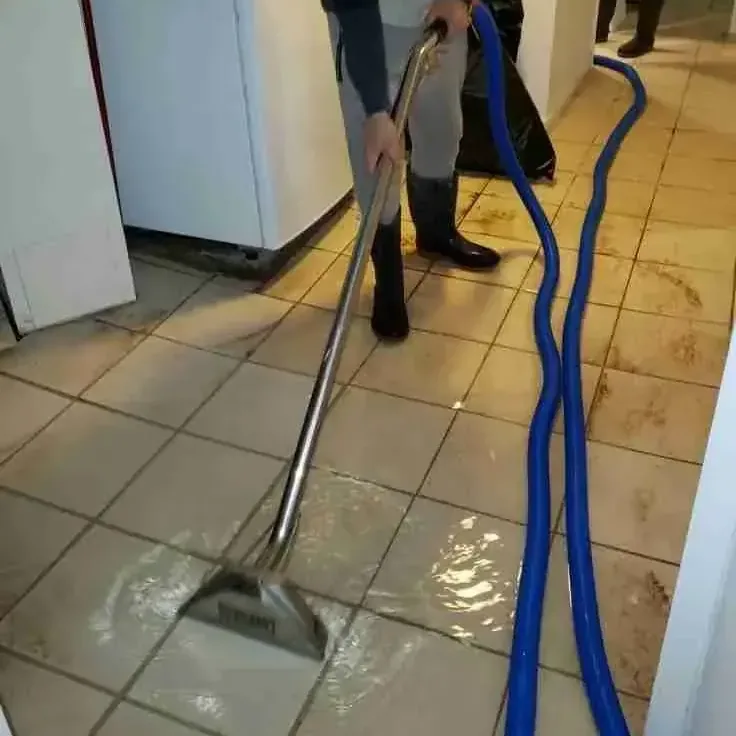
What to do right now about water extraction and removal
Water standing on the floor? Every hour it sits, more of it moves into the pad and wall bottoms.
(888) 949-8496Phone for water removal- Stop the supply. Close the main valve or the appliance shutoff so no more water arrives.
- Keep power off. Leave outlets and cords in the wet area unplugged until the room is checked.
- Lift the loose items. Move rugs, boxes and furniture legs off wet flooring.
- Phone for extraction. The crew arrives with extractors and pumps matched to the type of water.
What does water extraction and removal cost in Queen Creek, AZ?
Extraction pricing follows the size of the wet area and the type of water, not the town. A small area costs far less than a spread that runs through several rooms, and sewage raises the total.
A small area
- One wet patch
- Single visit
- Meter check
A room or two
- Carpet and pad pulled
- Fans left running
- Follow-up readings
A large spread
- Many rooms wet
- Pumps for depth
- Full drying plan
Ranges are typical, not a quote. The category of water, the square footage, the material class and how fast drying started move the total most. Try the water damage cost calculator for a closer range.
How water extraction and removal is handled in Queen Creek
Identify
The source and type of water are confirmed first.
Extract
Pumps and wands remove the standing water.
Check
Meters test pad, baseboards and subfloor.
Hand off
Wet materials move on to drying.
Understanding water extraction and removal
Extraction is the quickest way to stop water soaking deeper, but the right method depends on what the water is. Clean water from a broken pipe, gray water from an appliance and sewage from a backup each call for different protection and different decisions about what can stay.
Reading the water before pulling it
- A supply pipe or tank leak: clean at first, so carpet is often saved
- An overflow from a washer or dishwasher: mildly dirty, so the pad is judged case by case
- Sewage from a backup: unsanitary, so porous materials come out
- Monsoon runoff: carries soil and debris, so it is handled with caution
These calls are made before extraction starts, because pulling contaminated water through a pump without the right gear spreads the problem.
How the water comes off
On carpet, an extractor pulls water out of the pile and the pad beneath it. On tile and sealed floors, a wand clears the surface and the grout joints, and where the water is deep a submersible pump goes in first.
What gets checked afterward
Moisture meters and a thermal camera check the pad, baseboards and subfloor, because water taken off the surface can remain below it. Anything that stays wet moves on to structural drying.
When a hidden source is behind it
If the water keeps returning, the supply may be leaking out of sight. Tracing that leak is covered under slab leak water damage, and the extraction is repeated once it is stopped.
Public references
For background beyond this page, see CDC, Floods and your health and Arizona Department of Insurance and Financial Institutions.
Water extraction and removal across Queen Creek and nearby communities
Extraction crews cover ZIP 85142 and nearby 85140 and 85143, reaching Harvest, Barney Farms and the Ocotillo Road and Sossaman Road area on the Maricopa County side and Ironwood Crossing in Pinal County.
The same service nearby: water extraction and removal in Florence, Gilbert, Apache Junction.
Water damage restoration in Queen Creek · every town covered
Related water damage services in Queen Creek
Water Extraction and Removal questions, answered
Still dealing with it?
Water standing on the floor? Every hour it sits, more of it moves into the pad and wall bottoms.
(888) 949-8496 Phone for water removalHow is extraction different from drying?
Extraction removes the liquid water you can see, usually in a single visit. Drying removes the moisture left inside materials and takes readings over several days.
Can the carpet stay after extraction?
Often, when the water was clean and came out quickly. The pad underneath is the harder call, and it is replaced more often than the carpet itself.
Does the type of water matter?
Very much. Clean supply water, appliance overflow and sewage each carry different risks, so the type decides the protective gear and which materials are removed.
Should the water be mopped up first?
Mopping and towels help only on a thin layer. Deeper water is better left for the extractors, which pull far more from carpet and pad than a mop can.
What happens to wet furniture?
Solid wood and metal pieces dry well once lifted off the floor. Upholstered items soaked by dirty water are usually not worth saving.
Standing water in your house?
Extraction starts with identifying the water, then pulls it off floors and carpet before it reaches the subfloor. Moisture checks decide what happens next.
(888) 949-8496Get the pumps rolling