Structural Drying and Dehumidification in Queen Creek, AZ
Drying is guided by moisture readings of the framing, subfloor and walls rather than a fixed schedule. Air movers and dehumidifiers stay in place until each material reads dry, and the log shows when and how it got there.
(888) 949-8496Start the measured drying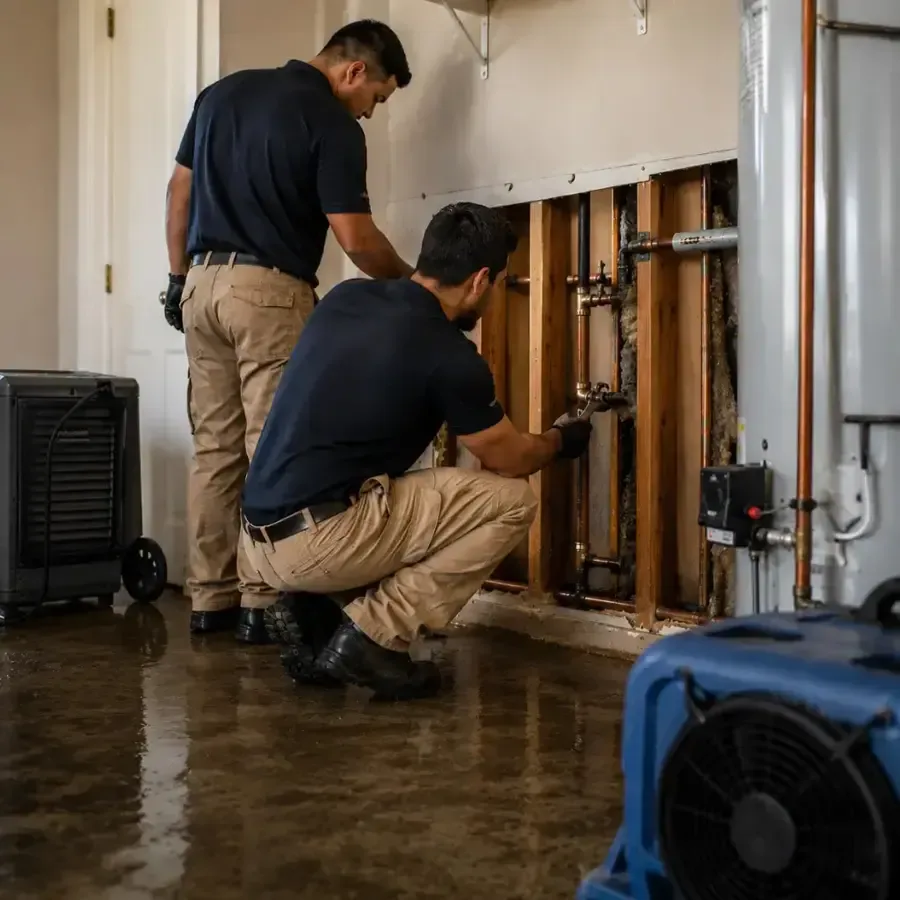
What to do right now about structural drying and dehumidification
Floor still damp after the water is gone? The moisture inside the materials has not left yet.
(888) 949-8496Phone about the drying- Keep the doors closed. A closed room dries faster, so leave the equipment space shut.
- Leave equipment running. Air movers and dehumidifiers should not be switched off between visits.
- Keep a note of changes. Mention any new stain, smell or damp spot to the crew.
- Phone for a reading. The crew checks the meters and adjusts the equipment.
What does structural drying and dehumidification cost in Queen Creek, AZ?
Drying cost follows how many rooms are wet and what the materials are, and the crew explains the likely band before equipment is set. Concrete and hardwood dry slowly, which is why they sit in the top band.
One room
- One wet room
- Fans and dehumidifier
- Daily readings
Several rooms
- Equipment in each room
- Wall cavities checked
- Longer run
Concrete or hardwood
- Dense materials wet
- Specialty drying gear
- Extended monitoring
Ranges are typical, not a quote. The category of water, the square footage, the material class and how fast drying started move the total most. Try the water damage cost calculator for a closer range.
How structural drying and dehumidification is handled in Queen Creek
Map
A meter and camera show the wet zones.
Place
Equipment goes where the numbers are highest.
Read
Daily checks adjust the setup.
Finish
Equipment leaves when the materials read dry.
Understanding structural drying and dehumidification
After the standing water is gone, most of the moisture is still inside the materials. Structural drying moves that moisture into the air and out of the house, one reading at a time.
Why a fixed schedule does not work
No two wet houses dry at the same pace. Thick framing, a hardwood floor or a closed wall cavity holds water differently from a thin sheet of drywall, so the crew checks readings each day and moves equipment to where the numbers are still high. A room that reads dry on day two may still hide a wet bottom plate, which is why every layer is checked before equipment moves out.
What gets measured
- Moisture content of framing and studs
- Subfloor and flooring readings
- Drywall and baseboard readings
- Air temperature and humidity in the room
Each reading is compared with a dry reference from the same home, which is what decides when a material counts as dry.
The equipment on the floor
Air movers push dry air across wet surfaces, and dehumidifiers pull the released moisture out of the room. Wall cavities can be dried through small holes instead of full demolition when the readings allow it. Air movers are repositioned as the wet zones shrink, so the equipment follows the moisture, and slab leak water damage shows a case where the floor itself stays wet.
When the drying stops
Equipment comes out only after the final readings match the dry reference, not on a set day. The log then goes to the adjuster, and water extraction is the step that comes before all of this.
Public references
For background beyond this page, see CDC, Floods and your health and Arizona Department of Insurance and Financial Institutions.
Structural drying and dehumidification across Queen Creek and nearby communities
Drying crews cover ZIP 85142 and nearby 85140, working in Harvest, Spur Cross, Barney Farms and Legado West and across the county border into Pinal County, including Ironwood Crossing.
The same service nearby: structural drying and dehumidification in Florence, Gilbert, Apache Junction.
Water damage restoration in Queen Creek · every town covered
Related water damage services in Queen Creek
Structural Drying and Dehumidification questions, answered
Still dealing with it?
Floor still damp after the water is gone? The moisture inside the materials has not left yet.
(888) 949-8496 Phone about the dryingHow long will the equipment be in the house?
As long as it takes for the readings to match the dry reference. The crew checks daily instead of promising a number of days.
Why is the dehumidifier so loud?
It moves a lot of air and pulls water from it, which takes work. The noise ends when the readings say the structure is dry.
Can the walls be dried without opening them?
Sometimes. Small holes let air reach the cavity, but wet insulation or damaged drywall still has to come out.
Does hardwood flooring dry in place?
Often, if it is caught quickly and dried gently. Cupped or buckled boards that do not flatten are replaced.
Will the electric bill go up?
Running equipment does add to the bill. Some policies cover it, so the equipment log is kept for the adjuster.
Dry the structure the right way
Structural drying uses readings, air movers and dehumidifiers to take the moisture out of the framing and floors. The log shows when each material reads dry.
(888) 949-8496Dry it by the readings