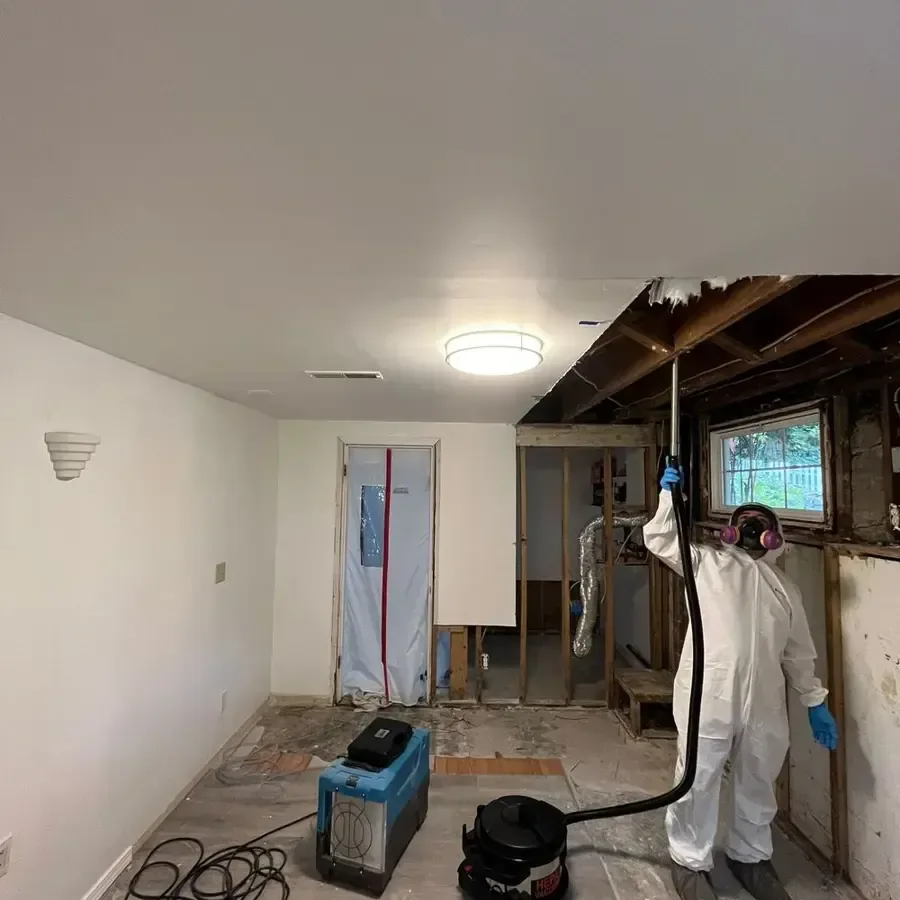
The Town of Queen Creek runs its own water and sewer utility, with sewer mains in the streets. When a drain backs up, the first questions are what caused it and which stretch of pipe belongs to whom.
Key takeaways
- The Town says grease and roots are the two primary causes of sewer backups, and grease is the most frequent.
- Owners clean and maintain the sewer pipe from the house to the connection with the Town main in the street.
- The Town only repairs sewer service pipes within the public right of way.
- Sewage is Category 3 water, so porous materials are removed and hard surfaces are disinfected.
- A plumber repairs the pipe, and a restoration crew handles extraction and cleanup.
Who is responsible for which stretch of pipe
The Town of Queen Creek operates the sewer mains that run in the streets. Home and property owners are responsible for cleaning and maintaining the sewer pipe that runs from the house to the connection with the Town main.
The Town only repairs service pipes within the public right of way. That split explains why a backup at the house can require a plumber, not a work crew from the Town.
Once the pipe is cleared, the Queen Creek restoration pages explain the cleanup side, from extraction to drying.
The practical result is that the owner is usually the first to act. A homeowner who knows where the cleanout sits can tell a plumber quickly and save time.
- The Town: sewer mains in the street and service pipes in the public right of way.
- The owner: the sewer pipe from the house to the connection with the main.
- A plumber: locating and clearing a blockage, or repairing a broken pipe.
- A restoration crew: extraction, removal and drying inside the home.
Grease: the most frequent cause
The Town says grease is the most frequent cause of sewer backups and overflows. Cooking oil, fat and food scraps cool in the pipe and stick to the walls, shrinking the opening until it blocks.
To keep grease out of sewers, the Town runs a Cooking Oil Recycle Program with a fire station drop-off.
A disposal unit does not remove grease. It only moves the fat down the pipe, where it sets in the cooler section and builds layer on layer.
Busy kitchens are the usual source of heavy grease, but any home can build a blockage over time. Habits matter more than the size of the household.
- Let cooking oil cool, then pour it into a sealed container instead of the drain.
- Wipe greasy pans with a paper towel before washing.
- Use the Town's oil drop-off instead of the sink.
- Scrape plates into the trash, not the disposal.
Roots: how trees find a sewer pipe
Tree and shrub roots seek water, and they enter sewer pipes through cracks or poorly sealed joints. Once inside they catch paper and grease and narrow the pipe.
The Town advises against planting trees and shrubs close to cleanouts or the sewer service pipe.
Several slow drains in a row suggest roots or grease are partway through the pipe. A plumber's camera shows which one it is.
- Keep new trees and shrubs away from cleanouts and the service pipe.
- Note where the cleanout sits and keep it accessible.
- Slow drains in several fixtures can signal a blockage out in the pipe.
Signs a backup is starting
Backups rarely come without warning. Several signs often show up before the first overflow.
A backup at the lowest fixture in the house is a particular warning. Water follows gravity, so the shower or floor drain at the lowest level is often where a blocked pipe shows itself first.
- Drains that run slowly in more than one fixture.
- Gurgling sounds from toilets and tubs.
- Water rising in a tub or shower when another fixture drains.
- Sewer odor near floor drains or cleanouts.
First steps and what the cleanup involves
Once sewage reaches the floor, the household stops using water and keeps children and pets out. Sewage is Category 3 water, so protection and containment come before anything is moved.
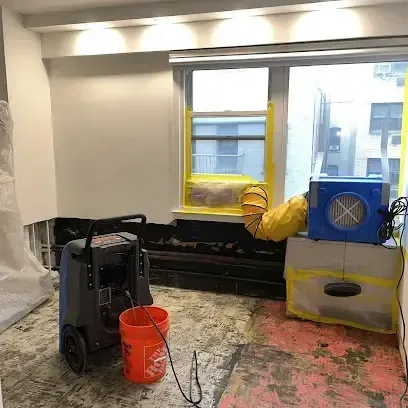
A crew that handles sewage backup cleanup removes the contaminated water with water extraction, then takes out porous materials such as carpet, pad and low drywall. Hard surfaces are cleaned and disinfected, and the area is dried.
The Florence sewage page prints ranges from $2,500 to $5,000 for one bathroom and from $5,000 to $12,000 for a bathroom and hallway.
Containment keeps contamination from traveling. Plastic sheeting and air filtration limit dust and odor in clean rooms.
Furniture, rugs and stored boxes in the affected rooms are sorted. Items that can be cleaned are separated from those that cannot, and everything is listed for the insurer.
- Stop using sinks, toilets, showers and the washer.
- Keep children, pets and anyone with a health condition away.
- Do not touch the water without protective gloves and footwear.
- Photograph the water and damaged items before cleanup.
Calling the right people in the right order
A plumber is needed to find and clear the blockage, and that call can go out right away. Restoration can start in parallel, since waiting leaves sewage soaking into floors and walls.
If the blockage turns out to be in the main in the street, the Town can be contacted about its sewer. Inside the house, the owner decides on cleanup and works with the insurer.
Whoever is called first, photographs help. Taken before cleanup, they show how far the water reached and what was removed.
How Category 3 cleanup differs from other water
Sewage is the most contaminated class of water, so the job is built around keeping it from spreading.
What is removed
Carpet, pad, insulation and porous drywall that touched sewage are taken out and bagged. They cannot be made safe by drying alone.
What is kept
Tile, sealed concrete and framing are cleaned, disinfected and dried. Readings confirm they are dry before anything is rebuilt.
Questions
What causes most sewer backups in Queen Creek?
The Town says grease and roots are the two primary causes, and grease is the most frequent.
Who maintains the sewer pipe from my house to the street?
The owner is responsible for cleaning and maintaining it from the house to the connection with the Town main. The Town only repairs service pipes within the public right of way.
Can a restoration crew clear the blocked pipe?
No. A plumber clears or repairs the pipe. The restoration crew removes the sewage, cleans, disinfects and dries the affected area.
Is sewage cleanup safe to do at home?
Sewage is Category 3 water and can carry harmful germs. Small spills may be handled with protection, while a floor-level backup is usually left to a crew.
How can grease be kept out of the sewer?
Collect cooking oil and use the Town's Cooking Oil Recycle Program, with a fire station drop-off, instead of pouring it down the drain.
Does homeowners insurance cover a sewer backup?
Coverage varies, and sewer backup is often a separate endorsement. The policy wording decides, so it is worth reading before filing.