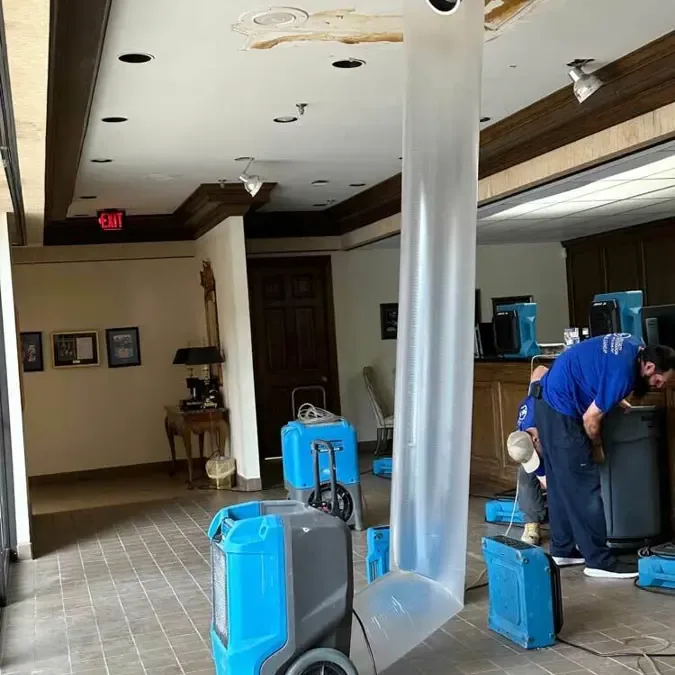
Historic Downtown Casa Grande packs dining, shopping and art into a walkable core, and a burst pipe or a monsoon leak can close a doorway on a busy week. The first day decides how much stock, flooring and revenue the loss costs.
Key takeaways
- Shut off the water, protect power and move stock before anything else.
- Restaurants, galleries and shops each need a different first move.
- Extraction and drying can be planned around business hours and downtown events.
- Summer monsoon storms bring high winds and heavy rain, and dust storms are common.
- Photos, inventory lists and moisture readings are the record for the insurer and landlord.
What a water loss looks like in a downtown storefront
Historic Downtown Casa Grande offers dining, shopping, art and entertainment, along with art walks, mural tours, farmers markets, and music and car shows. That mix means a loss rarely hits one kind of business.
A leak above a gallery, a storm-driven puddle at a shop door and a kitchen supply failure in a restaurant all look different, but they share the same first day.
Where storefronts share a wall or a roofline, a leak next door can reach a business that did nothing wrong. Tracing the source early prevents arguments later.
- Restaurants lose kitchen floors, prep areas and dining flooring.
- Galleries lose wall space, framed work and storage.
- Shops lose stock, shelving and cash-wrap areas.
The first day: stop the source and protect what matters
The first move is the same everywhere: find the source and stop it. A supply failure is shut off at the valve, and a roof or door leak is contained with tarps or towels while the opening is located.
Power is the second concern. Water near outlets, cases and refrigeration needs a safe plan before anyone steps in.
Staff should know who has authority to call for help. A quick decision on day one limits the loss, while waiting for a manager to arrive can cost a floor.
- Shut off the water at the nearest valve or the main.
- Switch off power to wet areas if it can be done from dry ground.
- Move stock, records and framed work onto dry shelves and tables.
- Photograph the source, the water and every damaged item before moving it.
- Call for commercial water damage help while water is still standing.
Restaurants, galleries and shops: what each needs first
Each kind of business protects something different, so the next moves look different too.
Restaurants
Floors in kitchens and dining rooms are extracted first, and food-contact surfaces are cleaned and disinfected before service resumes. Refrigerated goods are checked and sorted by what the health rules allow.
Floor drains are checked so water has somewhere to go once extraction begins, and equipment is kept away from food prep areas.
Galleries and art spaces
Work comes off the walls and away from the floor, and storage racks are lifted. Wall cavities behind art are checked, because water travels up drywall.
Retail shops
Stock on the floor and lower shelves moves first. A count taken before cleanup helps the loss record.
Extraction and drying around business hours
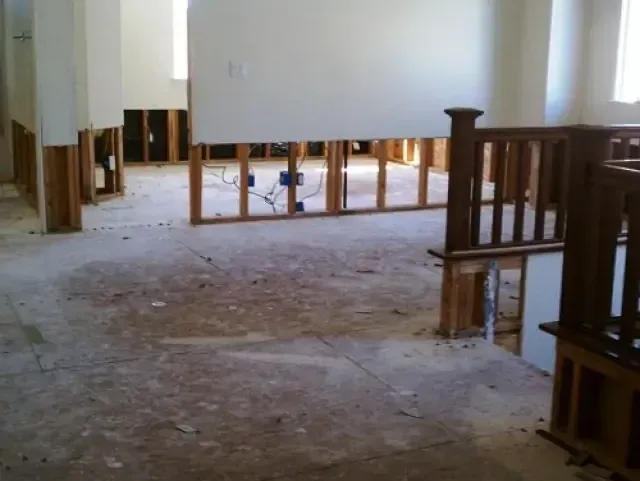
Water extraction clears standing water from floors so the space can be assessed. Wet carpet, pad and baseboards are removed, and drywall is cut where readings are high.
Structural drying then places air movers and dehumidifiers so the work stays out of customer walkways where possible. Large spaces can be dried in phases, so part of the business keeps running.
The Florence commercial water damage page prints ranges from $3,000 to $8,000 for one suite or shop, up to $20,000 to $40,000 or more for a large building.
Wet flooring in a public space is also a slip hazard, so equipment is marked and cords are taped down.
Customers should be told what is happening. A sign at the door and a short note online keep regulars informed, and a clear reopening plan protects the relationship.
- Drying equipment goes where it stays clear of doors and aisles.
- Noise and cords are planned around opening hours.
- A phased plan can keep a dining room or sales floor open.
Monsoon season and the downtown calendar
In summer the North American Monsoon brings high winds and heavy rain to Casa Grande, and the city is prone to dust storms. A downtown business can see water at a door, a roof opening or a dock during the same week as an event.
Preparing in spring is cheaper than reacting in August. Roofs, door seals and drains are worth a look before the season opens.
Dust storms add a second problem. Dust carried by wind-driven rain leaves a film on floors and displays, so cleaning continues after drying.
- Check roof seams, vents and door seals before July.
- Keep towels, sandbags or door barriers where staff can reach them.
- Know where the water shutoff and power panel are.
Documentation for the insurer and the landlord
A good record makes the claim and the lease conversation easier. It starts with dated photos and a stock list, and it grows with moisture readings as the work proceeds.
Closed days, spoiled goods and replaced flooring each belong in the file. Many commercial policies treat lost income and repairs differently, so the paperwork is kept in one folder.
Staff notes help too: who noticed the water, when the source was stopped and which items were moved.
A single point of contact on the business side speeds everything. One person who talks to the landlord, the insurer and the crew avoids mixed messages.
Getting ready for the next event week
A downtown business that expects crowds can prepare for a loss in the same way it prepares for a rush. The work is small and done once.
A short written plan means staff know who shuts off the water and who calls for help.
- Post the location of the water shutoff and the power panel.
- Keep an updated stock and equipment list with photos.
- Note the landlord's and insurer's contact details in one place.
- Store valuables and records above floor level.
Questions
Can a downtown shop stay open during drying?
Often, yes. Equipment is placed away from entrances, and large rooms can be dried in phases, so part of the space keeps trading.
What should be moved first after a leak?
Items on the floor and low shelves, then records, electronics and art. Photographs come before anything is moved.
Who pays for the cleanup, the tenant or the landlord?
That depends on the lease and the policies on each side. Dated photos and readings help both parties sort it out.
Do monsoon storms affect downtown businesses here?
The summer monsoon brings high winds and heavy rain to Casa Grande, and dust storms are common. Roofs and door seals are the usual weak points.
Is a restaurant floor safe to use after extraction?
Only after cleaning, disinfecting and a dryness check. Kitchens and dining rooms are verified before service resumes.
What records does an insurer usually want?
Dated photos, an inventory of damaged stock, moisture readings and invoices. Keeping them in one folder speeds the claim.